Smederevo Museum
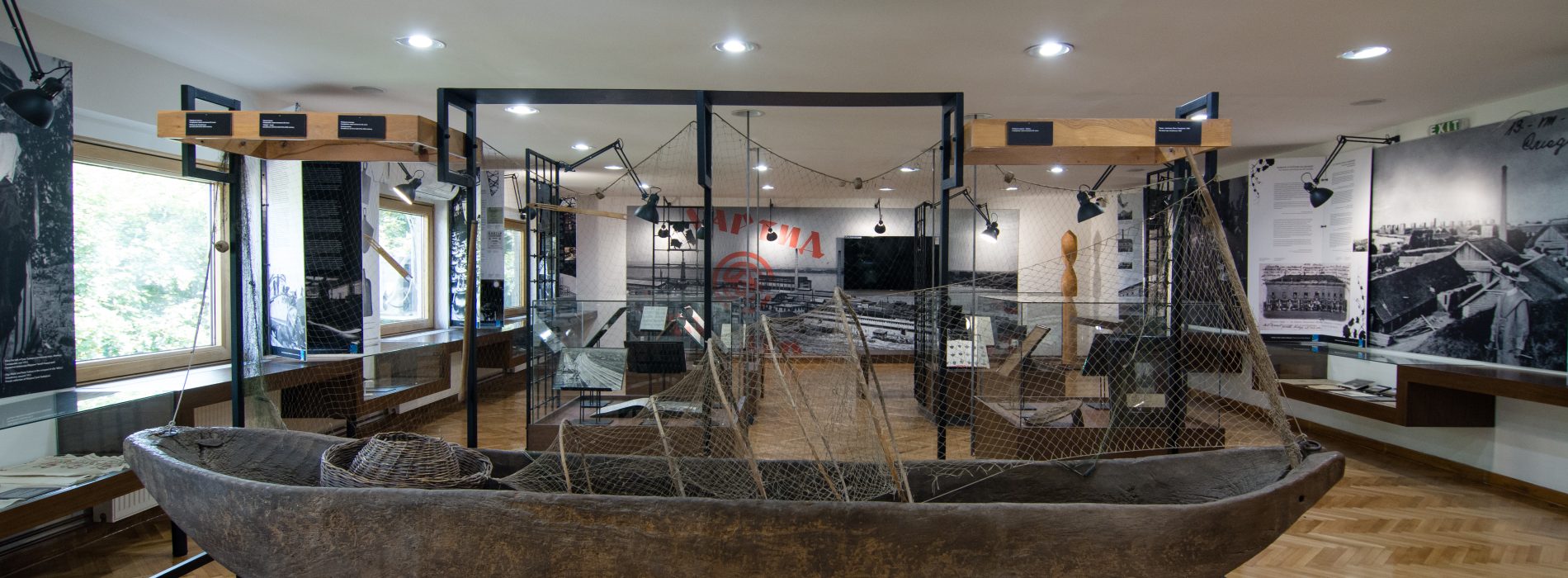
The Smederevo Museum was established in 1950 as a regional museum tasked with collecting, preserving, studying, and exhibiting the cultural and historical heritage of Smederevo and its surroundings. The displayed items span from the geological past to the mid-20th century. Special attention is given to the Smederevo Fortress, one of the finest examples of European medieval fortifications. Through artifacts, texts, and photographs, the exhibition dedicated to the fortress shows the challenges it faced and its role in shaping local identity. Another noteworthy exhibition, “Grapes, Iron, and Urban Vibrations,” highlights three distinctive features of Smederevo – viticulture, industrialization, and urbanization – guiding visitors through the winemaking tradition, key moments of industrial development, and the growth of Smederevo’s urban core.
The fund of The Smederevo Museum is divided into archaeological, ethnological, historical, numismatic, artistic and paleontological collections. The Archaeological Collection covers the period from the 6th century BCE to the 17th century, featuring finds from various ancient cultural groups, Roman sites, and the Smederevo Fortress. The Ethnological Collection includes items from the 19th and 20th centuries that illustrate various aspects of everyday life, while The Historical Collection consists of around 2,000 artifacts, including medals, weapons, photographs, documents, and rare books. The Numismatic Collection, the largest in the museum, contains over 11,000 metal coins and 600 paper banknotes. The Paleontological Collection features fossils of invertebrates, vertebrates, and archaeozoological materials from the Smederevo Fortress and Rajko’s Cave, as well as fossils from Libya gifted to the museum. The museum also includes the City Gallery of Contemporary Art in Smederevo, which promotes contemporary and innovative art by Serbian and international artists.
Adapting to modern trends, the museum offers bilingual exhibitions and multifunctional spaces for workshops, lectures, and temporary exhibits, enabling an interactive approach to understanding the past.