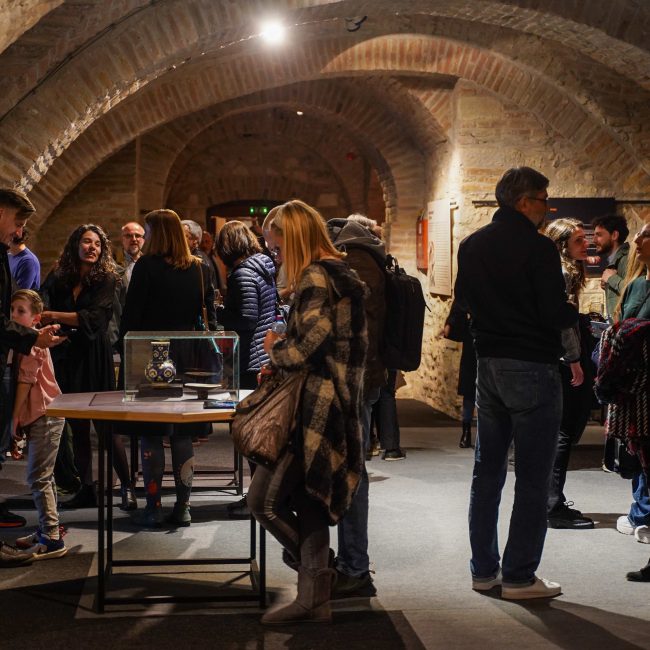
Belgrade museum
The Belgrade City Museum was founded on October 15, 1903, under the name Municipal Museum and Library. Initially housed in the Konak of Princess Ljubica in 1911, it later moved to its permanent location at 1 Zmaj Jovina Street, where its administrative offices remain today. The first inventory of museum materials was conducted in 1929, documenting 155 items, while the first exhibition, Plans and Images of Old Belgrade, was opened on April 19, 1931. In 1941, the museum became an independent institution under the name City Museum, with archaeologist Dr. Miodrag Grbić, then a curator at the Museum of Prince Paul, as its first director. By mid-1945, it was officially renamed the Belgrade City Museum.
Today, the museum houses a vast collection of over 157,000 artifacts, covering a chronological span from prehistory to the modern era. The collection is divided into archaeology, history, and the history of culture and art, with more than 40 legacies also in its possession. In addition to these primary departments, the museum includes a Department for Protection (Documentation Center), Conservation Service, and Education Service, all dedicated to preserving and interpreting Belgrade’s cultural heritage.
The archaeological collection is one of the most significant, comprising prehistoric, ancient, and medieval artifacts, as well as a numismatic collection and a specialized collection from the Vinča archaeological site. The Vinča Collection showcases findings from Belo Brdo, one of the largest prehistoric settlements in Europe. Excavations began in 1908 under Miloje Vasić, Serbia’s first formally trained archaeologist, revealing a 10-meter-thick cultural layer filled with house remains, ceramic vessels, figurines, stone tools, and weapons. The Prehistoric Collection holds over 10,000 objects made of ceramics, stone, bone, and metal, spanning from 5300 BCE (Middle and Late Neolithic) to the arrival of the Romans in the 1st century CE. The Ancient Collection preserves materials from Singidunum, including artifacts from its castrum, civilian settlement, and necropolises, dating from the 1st to the 5th century CE. With more than 5,000 items crafted from bronze, ceramics, glass, bone, iron, silver, and gold, this collection provides insight into life in Roman Belgrade. The Medieval Collection, consisting of over 6,000 objects, traces the city’s development up to the Turkish-Austrian period, while the Numismatic Cabinet houses an exceptional collection of approximately 30,000 coins, medals, decorations, plaques, and insignia.
In addition to its museum and curatorial activities, the Belgrade City Museum plays an important role in publishing. Since 1954, it has issued the Belgrade Annual, a scholarly journal that has released 67 volumes with contributions from over 400 authors. Beyond its dedication to preserving, presenting, and educating about Belgrade’s past, the museum is also actively involved in the promotion of visual and applied arts, as well as music, regularly organizing concerts and exhibitions, particularly supporting young artists.