City Museum Vršac
At the end of the 19th century, a hoard of Roman coins from Emperor Constantine, dating to the 4th century, was discovered in Veliki Rit near Vršac. Due to this remarkable discovery, the City Museum of Vršac was founded in 1882 by the Municipal Assembly of Vršac, upon the proposal of Julius Frisch. It is one of the oldest museums in Serbia. The museum comprises three buildings: the Concordia building, which serves as the museum’s main hub; the Pharmacy on the Stairs building, a cultural monument of great importance housing permanent exhibitions “The Art of Pharmacy: From Plant to Pill” and the Natural History Exhibition; and, since 2015, the newly opened Vršac Castle, featuring the permanent exhibition “Life in the Fortress in Medieval Banat.”
The museum includes several departments: archaeological, historical, numismatic, ethnological, natural history, art, and a conservation workshop for ceramics and reverse glass painting.
The City Museum has a long and significant connection with archaeology. The same year it was established, the renowned collector of archaeological and numismatic artifacts Eduard Rittinger undertook the excavation of the large hoard of Roman coins. From 1894 to 1942, with the arrival of the first curator, Felix Mileker, new field excavations were initiated, artifacts were acquired from collectors, and the museum’s collection was significantly enriched.
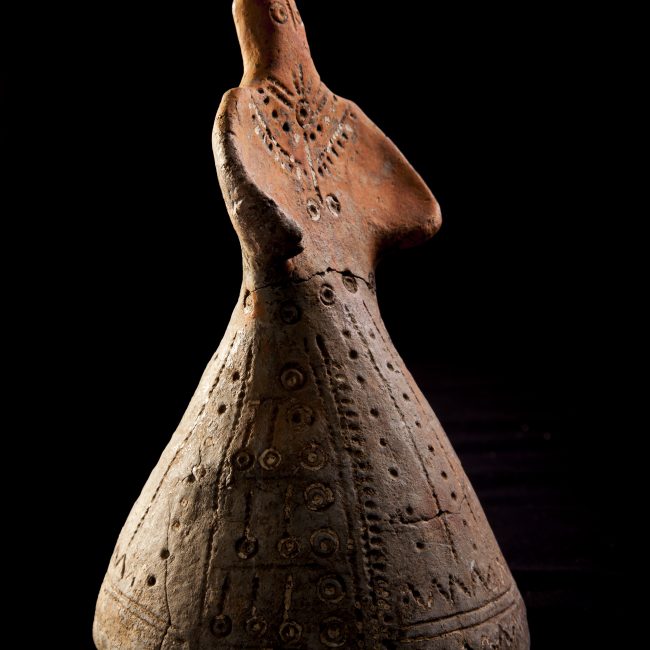
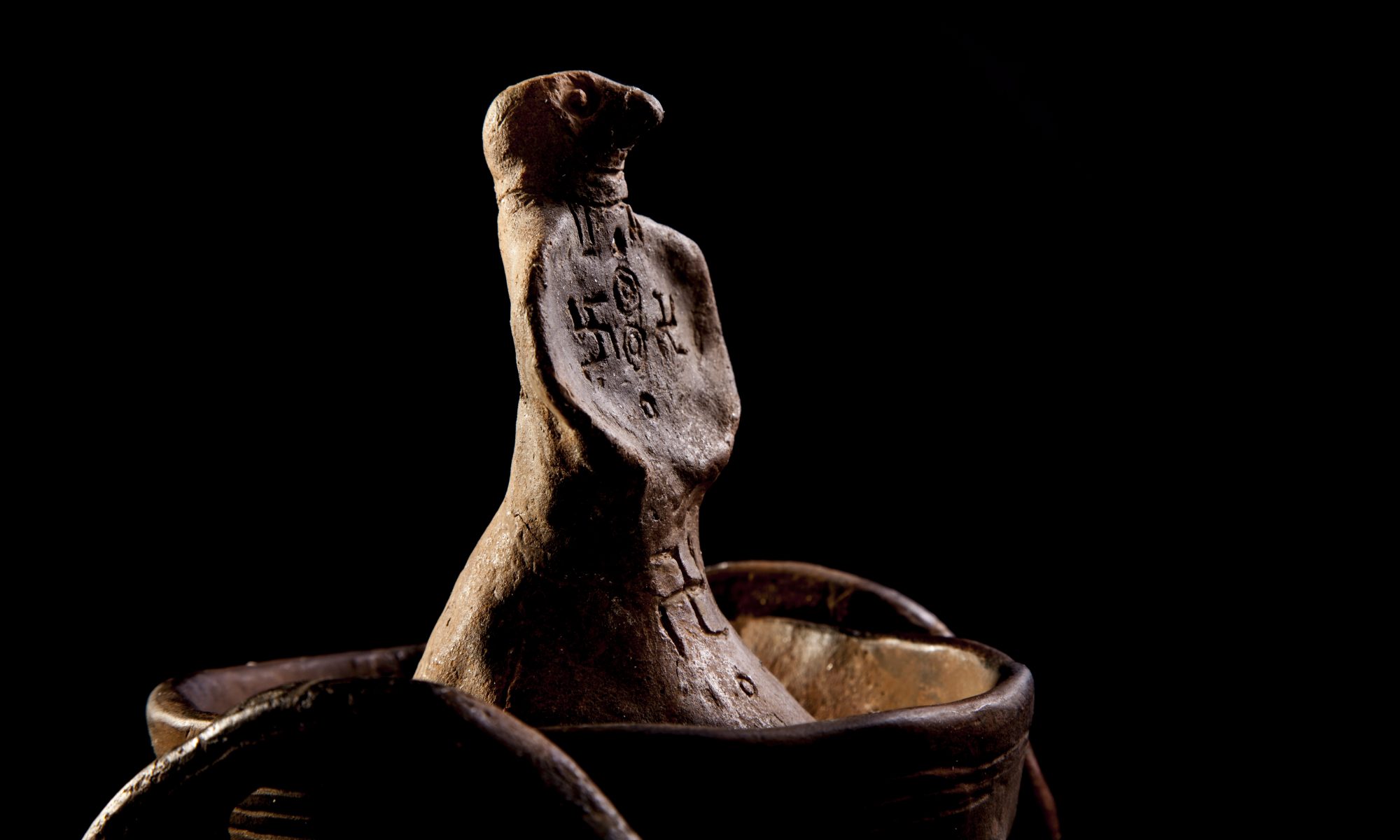
The museum’s archaeological collection holds a vast array of artifacts, spanning from the Paleolithic to the Middle Ages, reflecting the favorable conditions of the region for habitation and economic activity. Notable finds include flint artifacts from the Crvenka-At site, attributed to the Upper Paleolithic Aurignacian culture (27,000–23,000 BCE). This collection is among the richest of its kind gathered in Central Europe and the Balkans. Additionally, over 100 Neolithic sites associated with the Vinča and Starčevo cultures have been documented, with notable research and publications on sites such as At, on the northwestern edge of Vršac, and Kremenjak, near the village of Potporanj. Particularly noteworthy are the collections from the Copper, Bronze, and Iron Ages, comprising over 30,000 artifacts. Among the most significant pieces are the Vršac Idol from the Vršac-Ludoš site and the Dupljaja Cart from Dupljaja, considered the most valuable individual examples.
Southeastern Banat bears testimony to a long history of human interaction and habitation, with the museum and its prehistoric collection enriching the understanding of the history of this area and its former inhabitants, such as the Scythians, Celts, Scordisci, and Romans.
The primary goal of the City Museum of Vršac is to showcase the history of the city and the entire southern Banat region, as a living record of the past from the Paleolithic era to the present day. Through this mission, the museum preserves and enhances local history and raises awareness of the cultural heritage of this area. The need for connections between different peoples and communities spans millennia, making this institution a point of contact between the past and the present, and between museum artifacts and visitors.