Faculty of Philosophy – University of Belgrade
The Faculty of Philosophy has a long history. It was first established as one of the faculties of
the Velika škola (Great School) in 1863 and later became the oldest faculty when the
University of Belgrade was founded in 1905. The Faculty currently has 255 teaching
associates, approximately 6,000 students at all levels of study (undergraduate, master’s, and
doctoral), and ten study programs: philosophy, sociology, psychology, pedagogy, andragogy,
ethnology and anthropology, history, history of art, archaeology, and classical studies.
The Chair of Archaeology was established in 1881 at the Velika škola in Belgrade, when
Mihailo Valtrović was appointed as the first professor of archaeology in Serbia. In 1920, the
Archaeology Seminar became an independent teaching and research unit, and since 1962,
teaching at the Faculty of Philosophy has been conducted within the Department of
Archaeology.
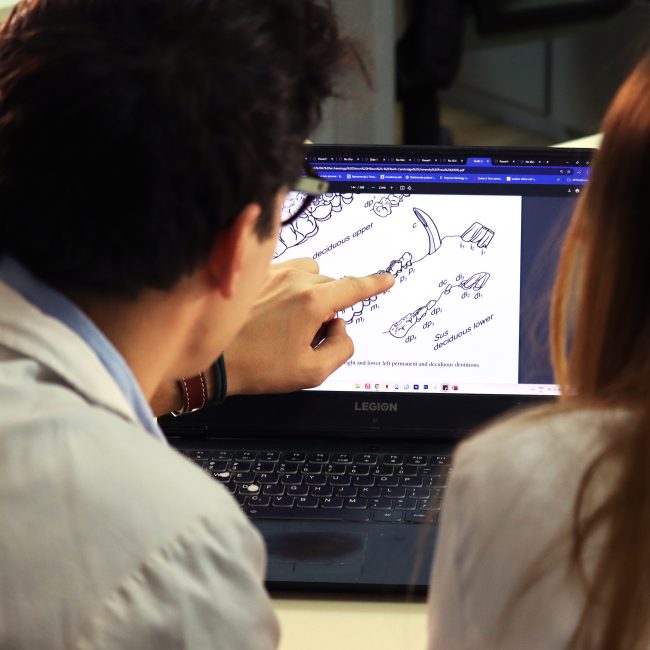
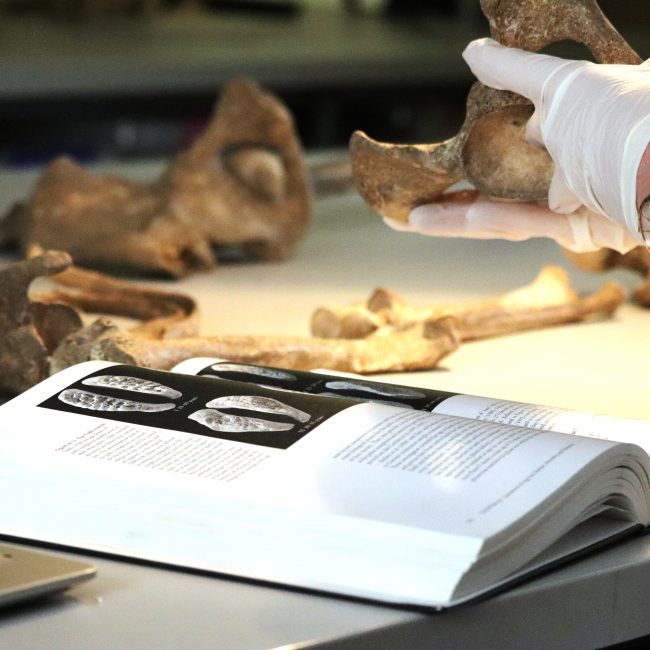
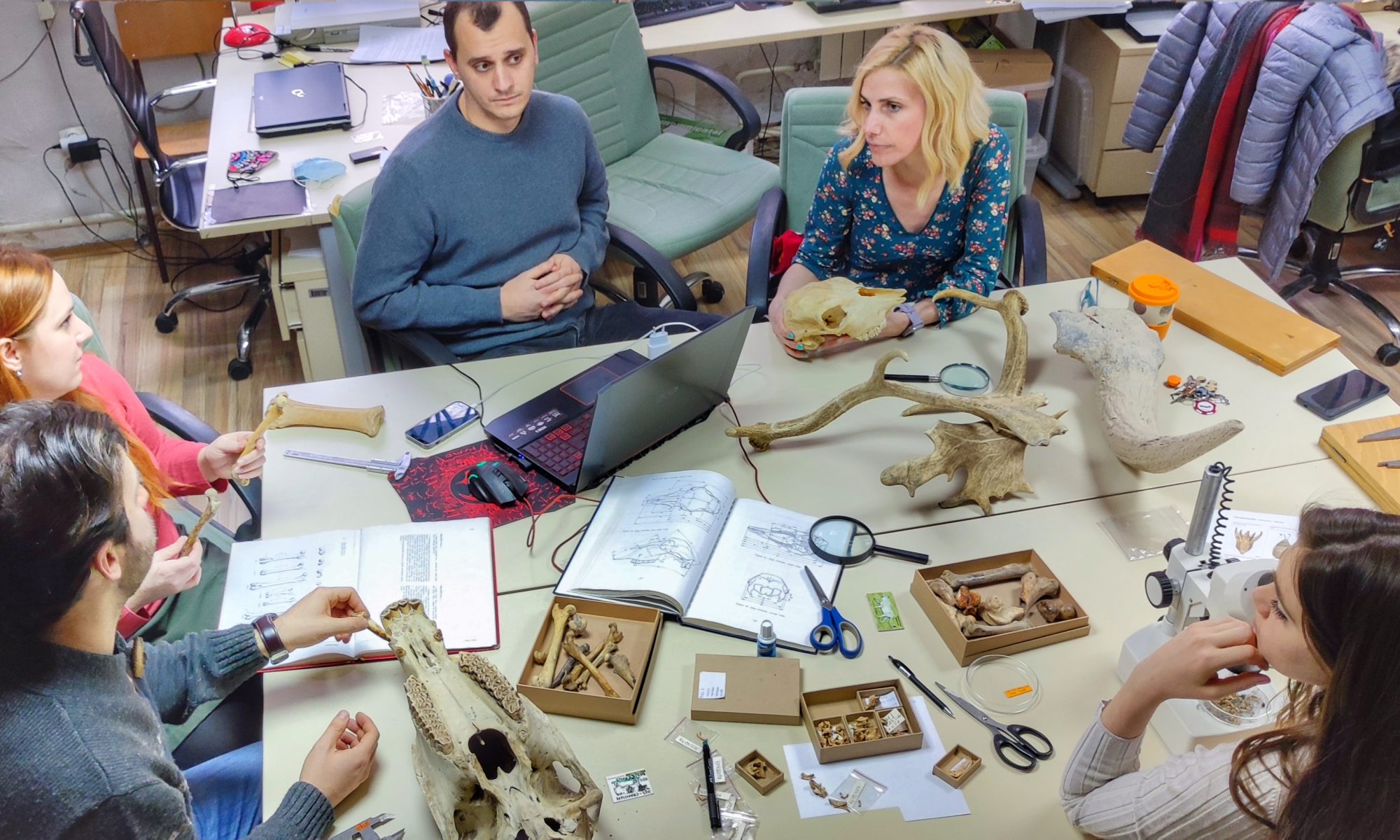
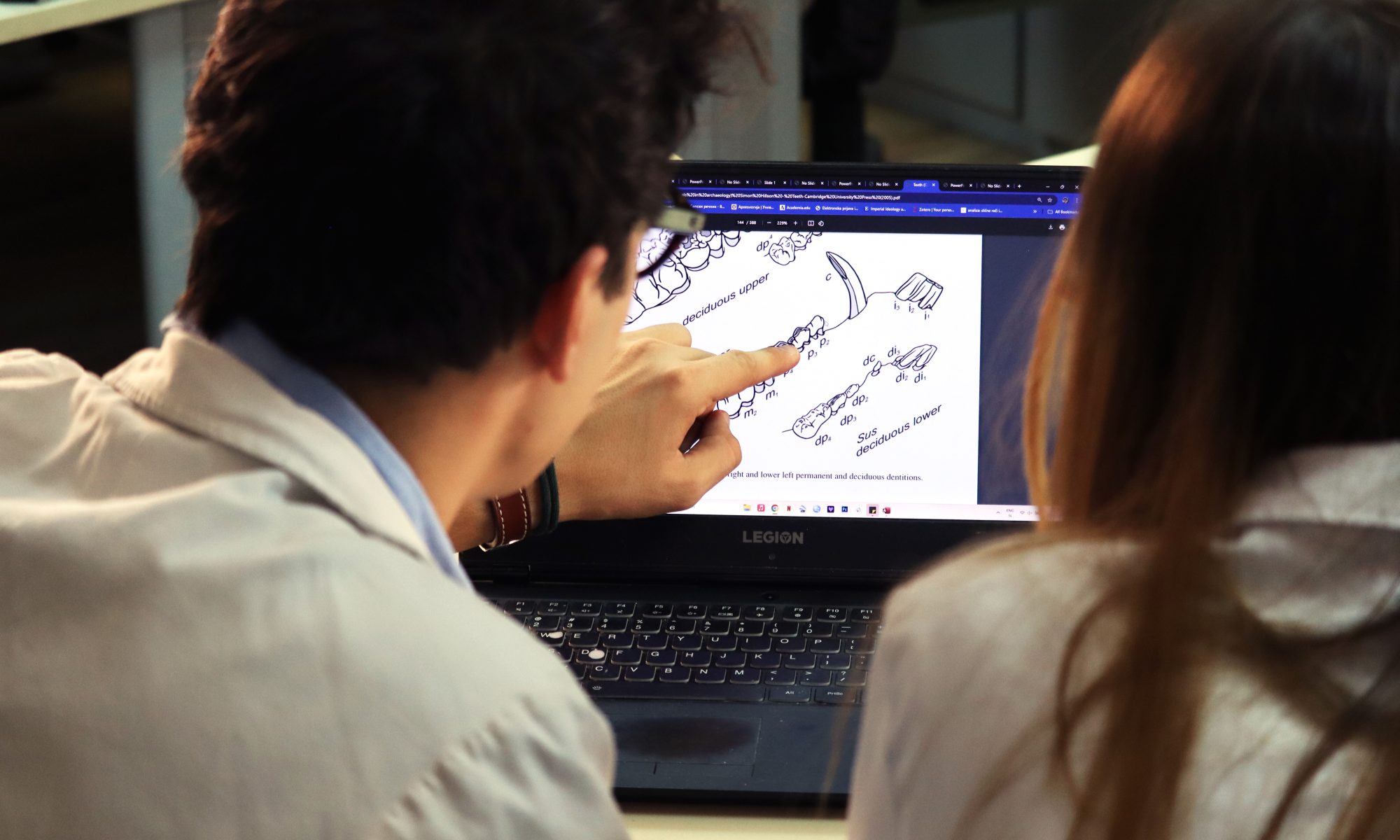
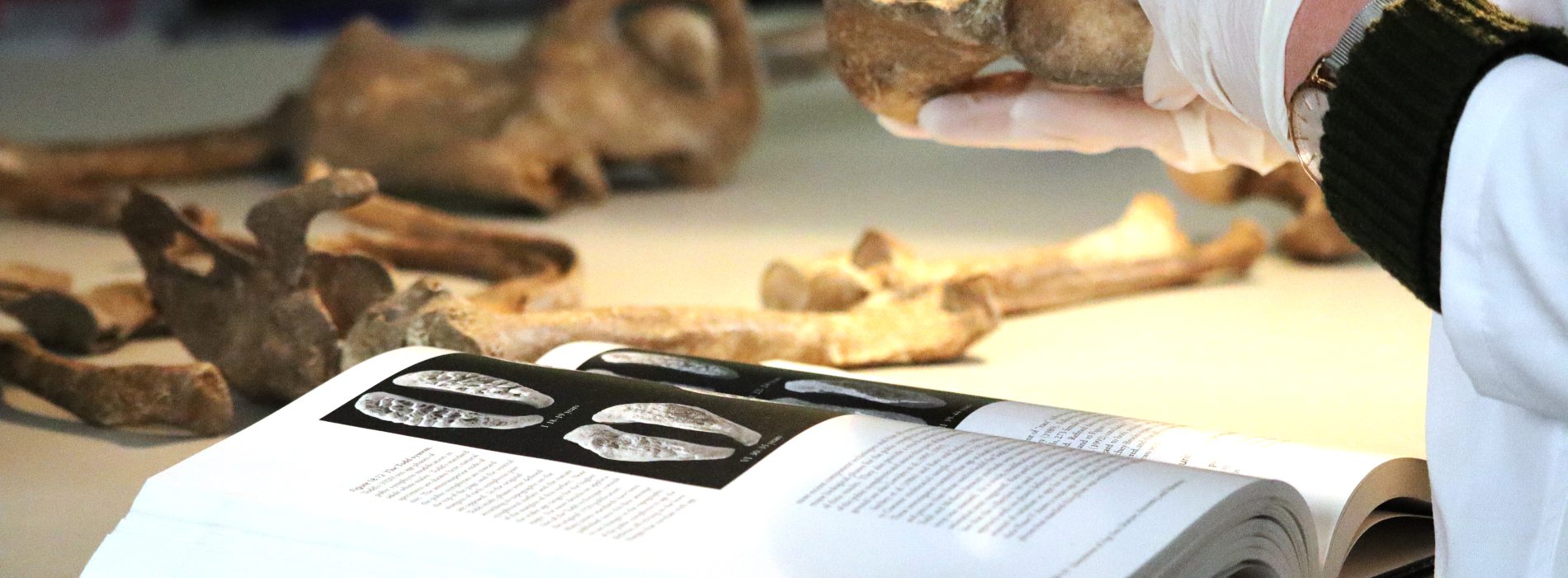
The Department of Archaeology educates its students through core and specialized courses in
various fields of archaeology, archaeozoology, and physical anthropology. Courses cover
regions including Europe, the Eastern Mediterranean, the Near East, and Egypt, spanning
from early prehistory to the Middle Ages. The Department also includes the Archaeological
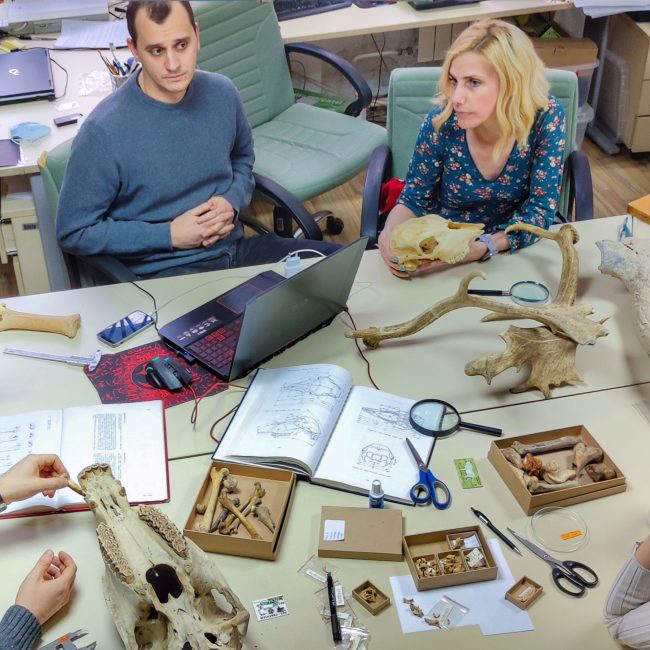
and Paleoanthropological Collection, the Center for Theoretical Archaeology, the Laboratory
for Bioarchaeology, the BECAP conference, and the Archaeology Students’ Club.
The Archaeological Collection holds a rich assortment of artifacts and documentation from
some of the most significant sites in Serbia, covering a broad chronological range from
prehistory through antiquity to the Middle Ages. It was founded in 1929 thanks to Professor
Miloje M. Vasić and Sir Charles Hyde. The Collection includes a conservation laboratory and
serves as a training ground for undergraduate archaeology students.
Since 2015, the Department of Archaeology has published research articles in the journal
Arhaika, while since 2017, students have published their work in the journal Artefakti.