National Museum Leskovac
Like many museums, the National Museum of Leskovac was established through the efforts and dedication of the local community, inspired by archaeology. In the early 20th century, teachers in Leskovac began collecting and preserving antiquities, forming an educational museum. This decades-long tradition was continued by the Vulović Student Historical Society from the Leskovac Gymnasium, which organized excavations at historically significant sites such as Skobaljić Grad, Hisar, and Caričin Grad. Owing to their dedication to collecting artifacts, the society formed collections of Roman and medieval coins, weapons, and archaeological items. Following World War II, on May 2, 1948, an initiative was launched to establish the National Museum.
The museum building, purpose-built in 1974, includes spaces for a permanent exhibition, two art galleries, a conference hall, and a library. The museum operates several departments focusing on its core activities: archaeology, ethnology, history, art history, and fine arts. It also includes departments for conservation and restoration, documentation, public engagement, and a specialized library.
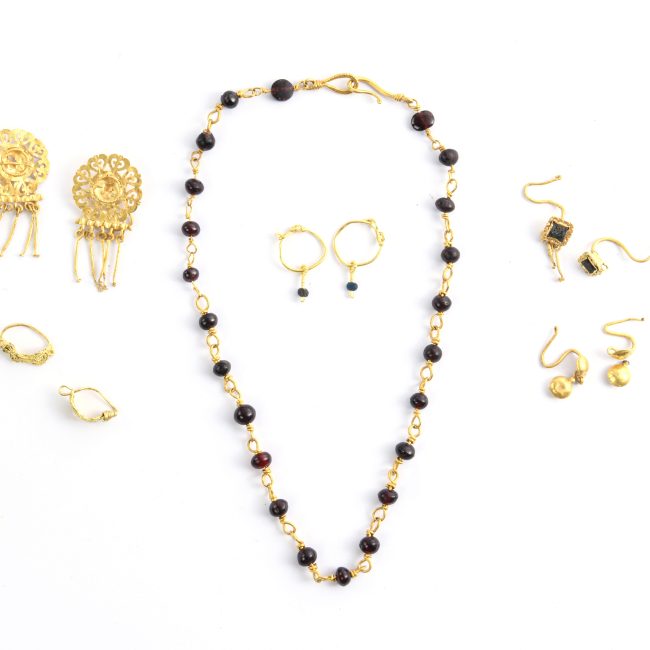
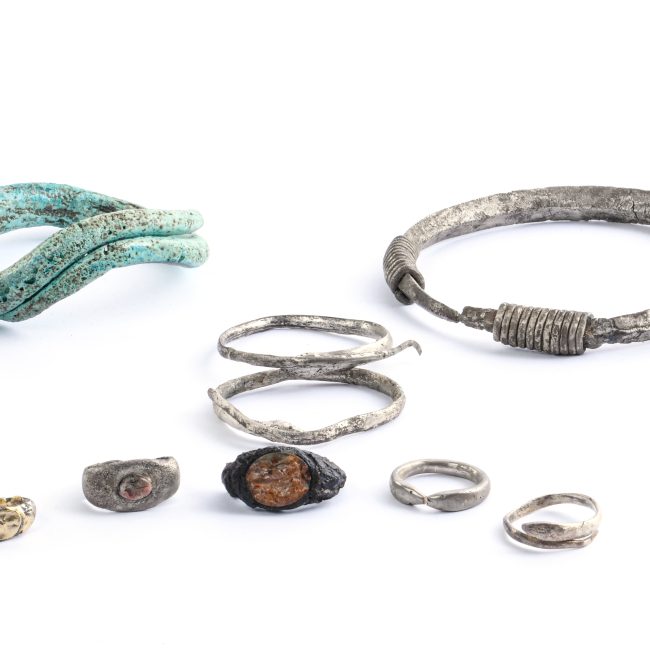
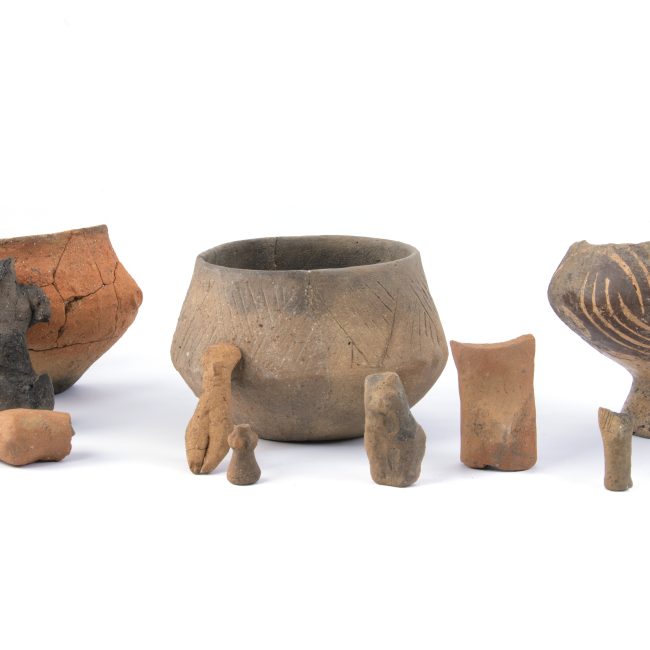
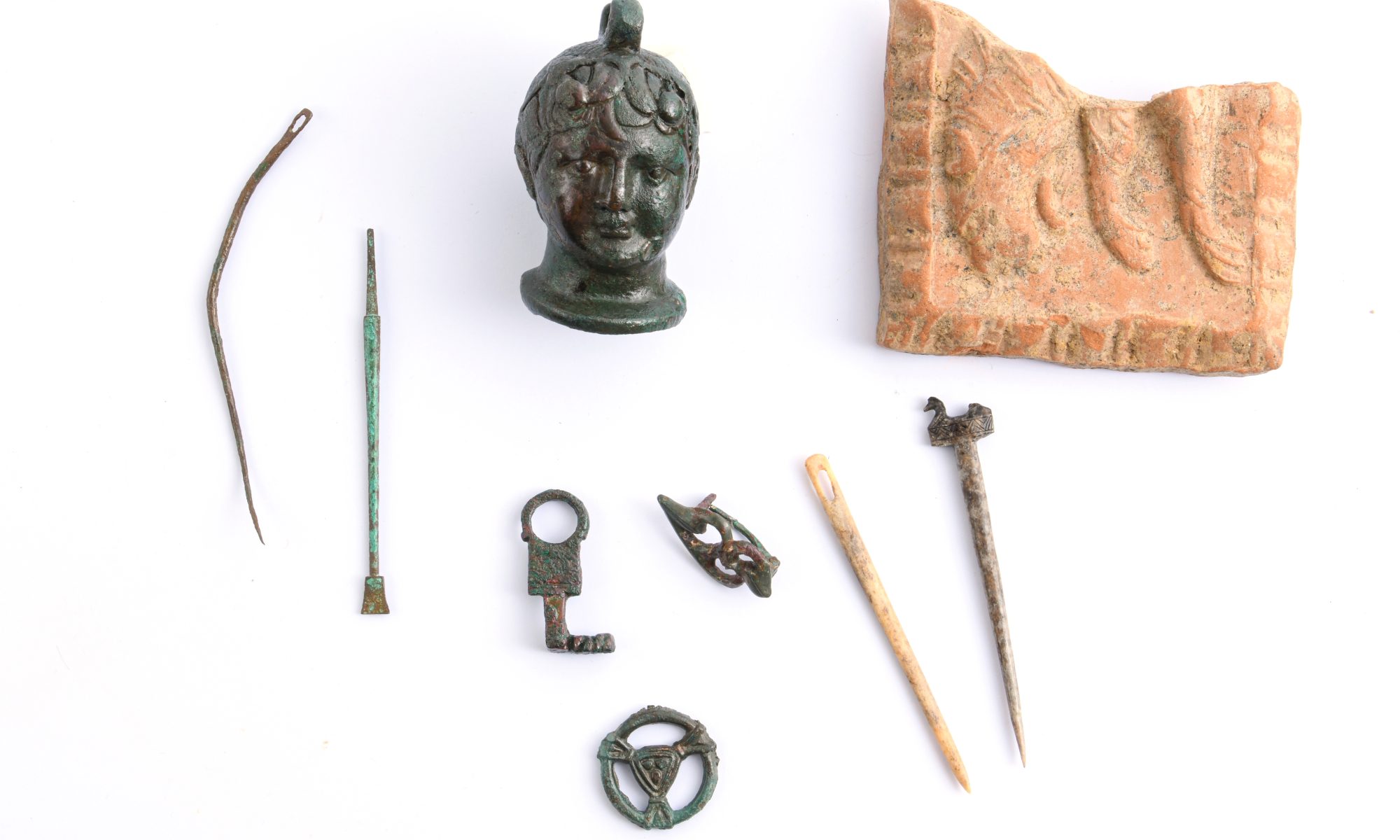
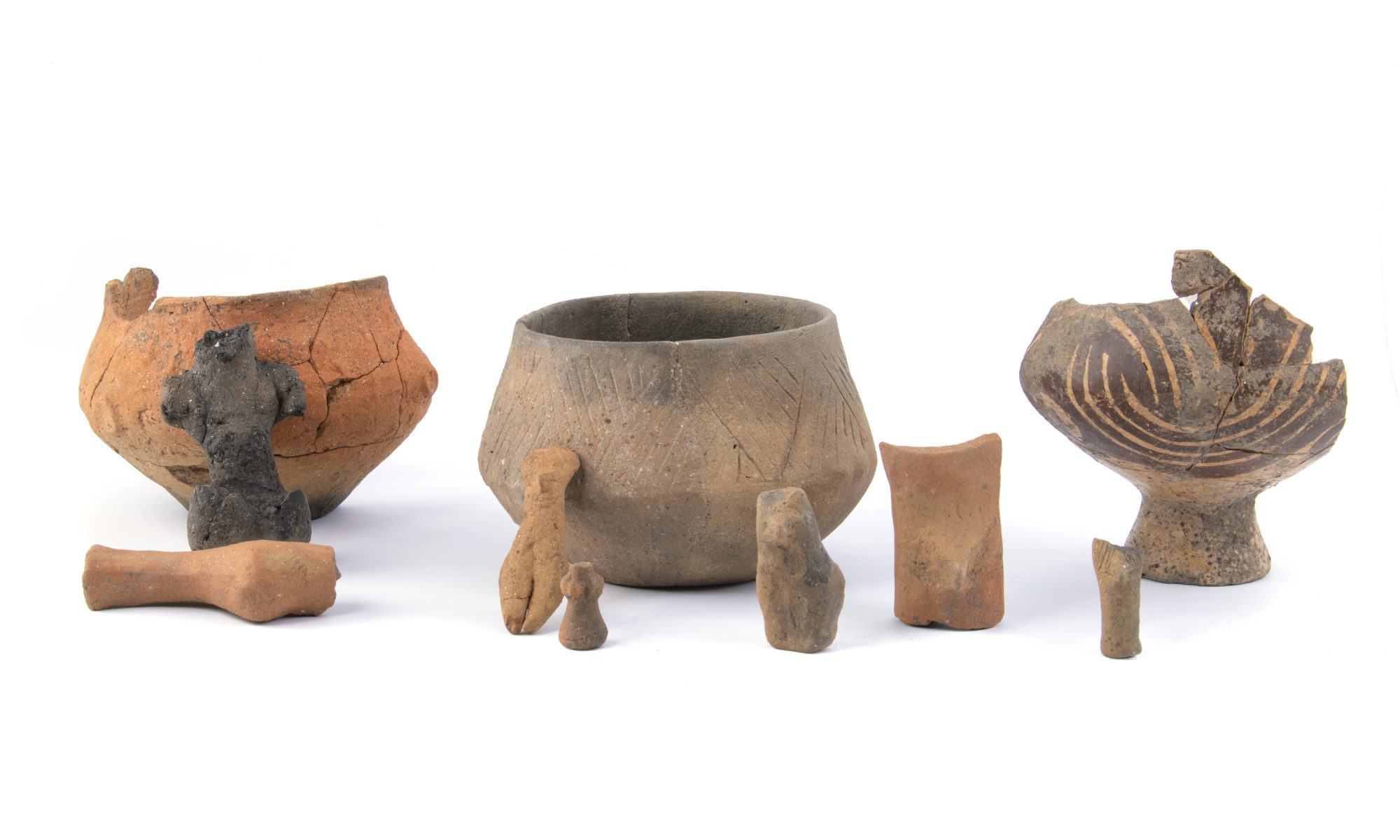
The archaeological collection has been part of the museum since its founding, with some items donated by archaeology enthusiast Sergije Dimitrijević, who was dedicated to the history of Leskovac and Serbia. Over time, the collection was expanded through reconnaissance and archaeological excavations in the region. It includes artifacts from prehistory to the Middle Ages, illustrating the continuous settlement of the Leskovac area. One of the museum’s most esteemed collaborators, Milutin Garašanin, worked extensively with the museum, conducting small-scale excavations in Medveđa and Mala Grabovnica and surveying sites in nearby municipalities, contributing significantly to the prehistoric collection.
The department is particularly noted for its rich and extensive finds, including the ancient collection from Mala Kopašnica, which comprises 1,430 artifacts and 805 coins, and the collection from Caričin Grad, a site on UNESCO’s Tentative List of World Heritage Sites. Additionally, the Hisar collection represents a multi-layered site with remains ranging from prehistory to the Middle Ages. These important collections are featured in the museum’s permanent exhibition.
The National Museum of Leskovac is dedicated to preserving the cultural and historical heritage of southern Serbia. Through its work, the museum aims to educate the local community and the broader public about the significance of the region. Since 1961, the museum has been publishing the annual journal Leskovački Zbornik, and since 1988, it has organized the scientific conference Cultural and Historical Heritage of Serbia, addressing important questions and challenges from a scholarly perspective. In 2015, the National Museum of Leskovac was recognized by the Museum Society of Serbia as the best museum in the Republic of Serbia, highlighting its dedication to preserving and protecting the region’s past while inspiring interest within its local community. The National Museum in Leskovac is the recipient of the ŽIVA Award for the best Slovenian museum of 2023, awarded by the Forum of Slavic Cultures.