National Museum of Kruševac
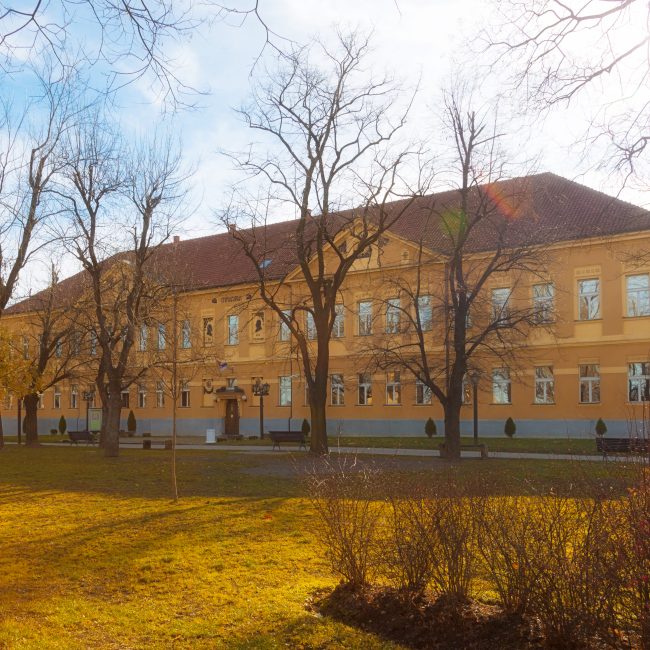
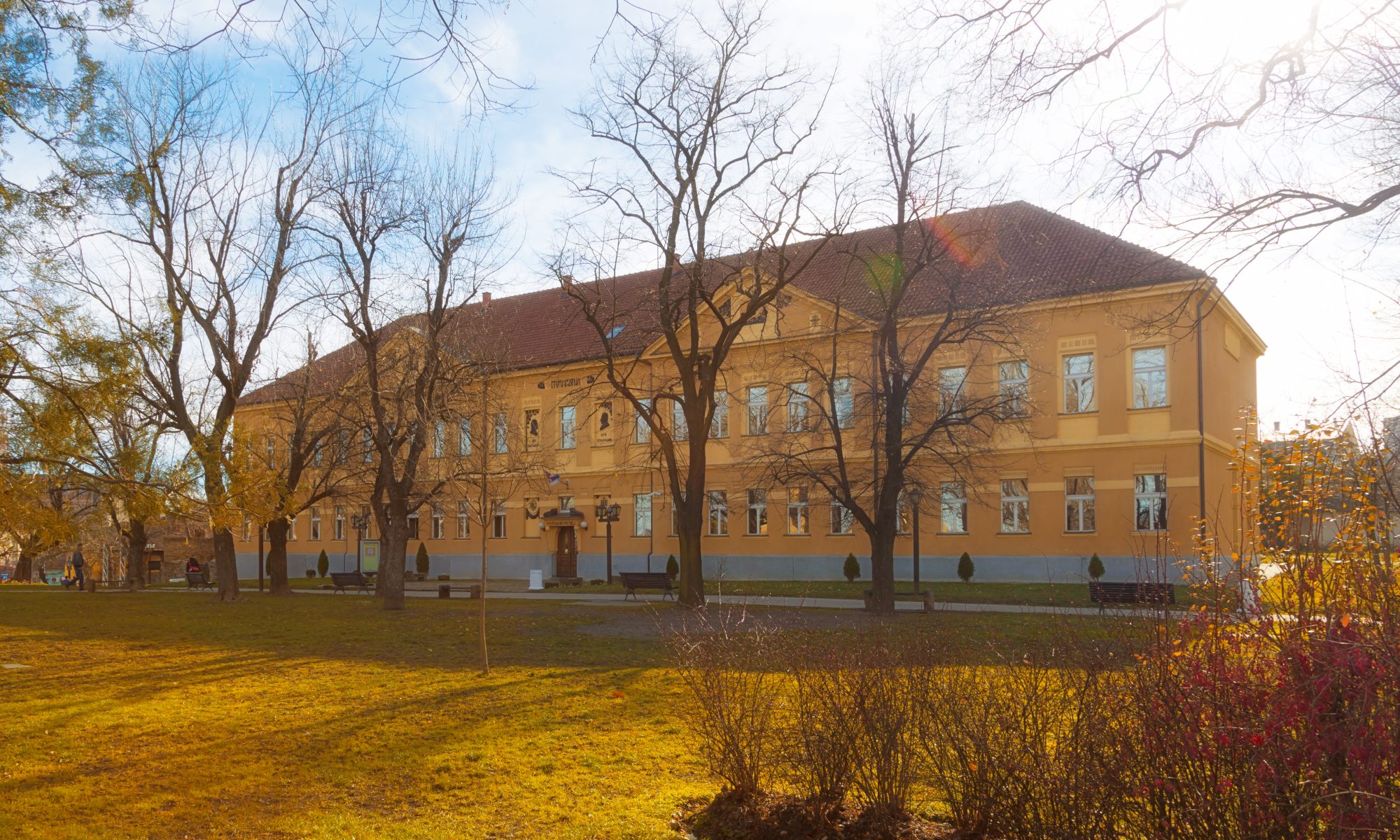
The National Museum of Kruševac began its active museum activities (collecting, preserving, exhibiting, and protecting) on December 19, 1951. Initially, the museum was located in Simić’s House, but in 1969 it was relocated to the Kruševac City complex, in a neoclassical building of the former high school, built in 1863. The museum houses natural history, archaeological, ethnological, historical, cultural-historical, and fine arts collections, featuring a diverse array of artifacts spanning from prehistory, antiquity, and the medieval period to the era of Ottoman rule, the restoration of Serbian statehood, and the mid-20th century.
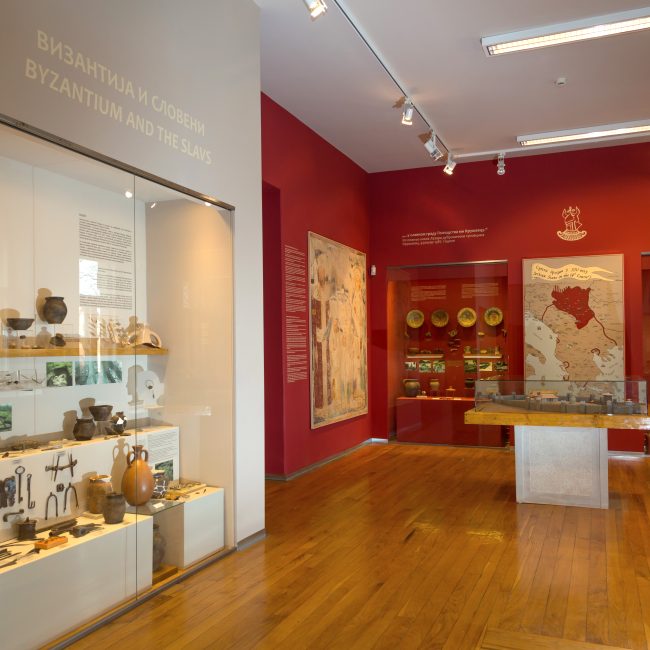
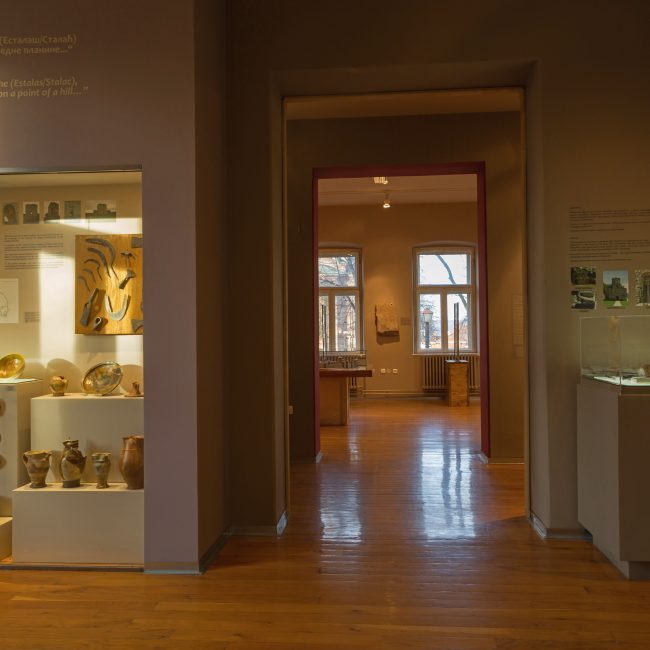
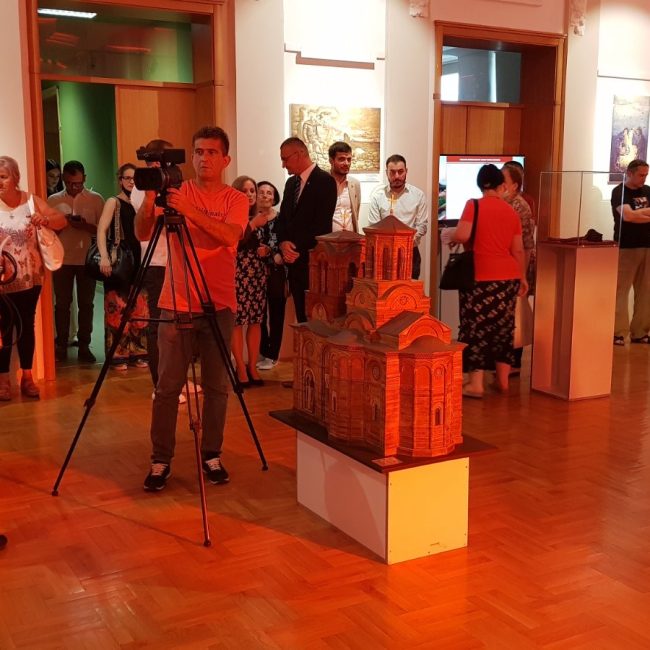
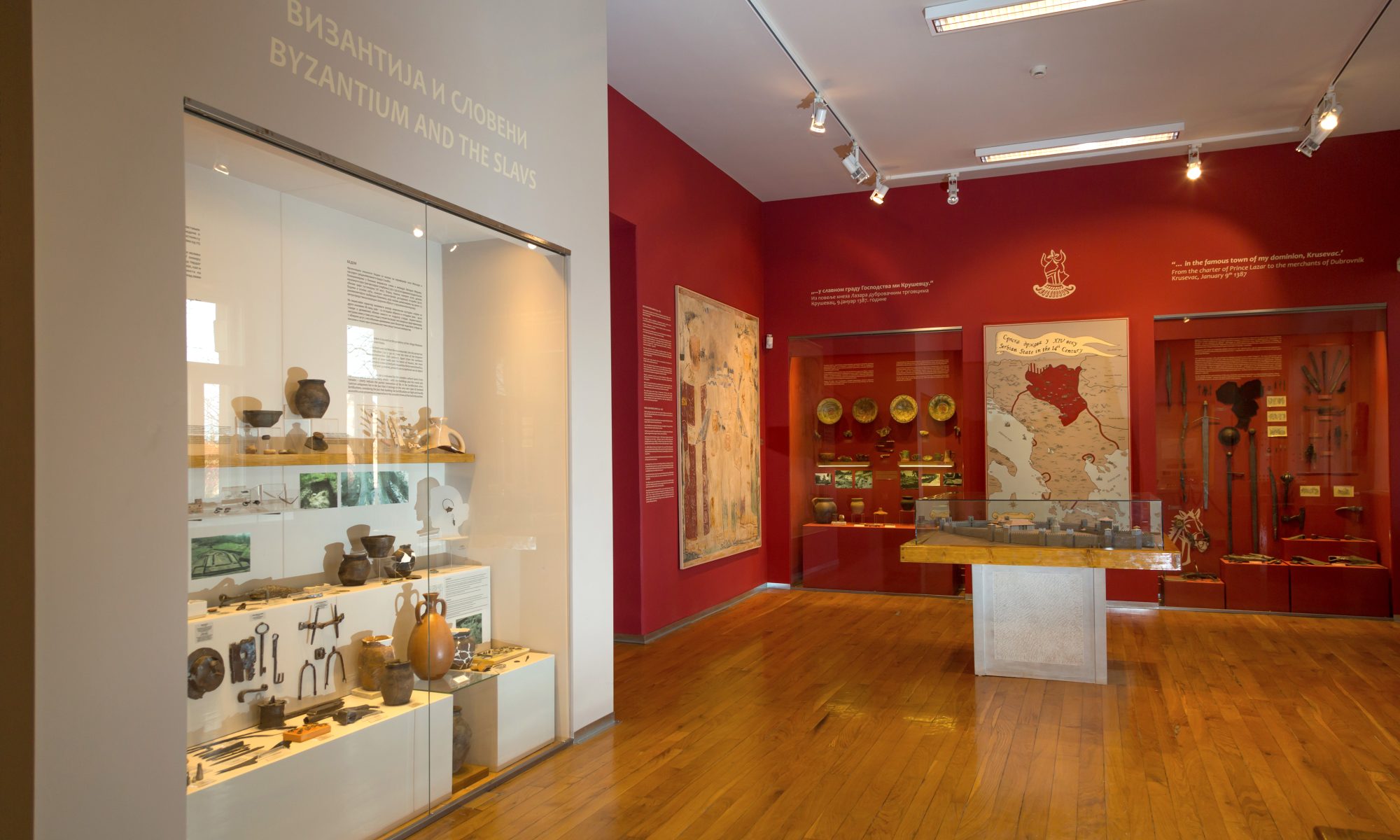
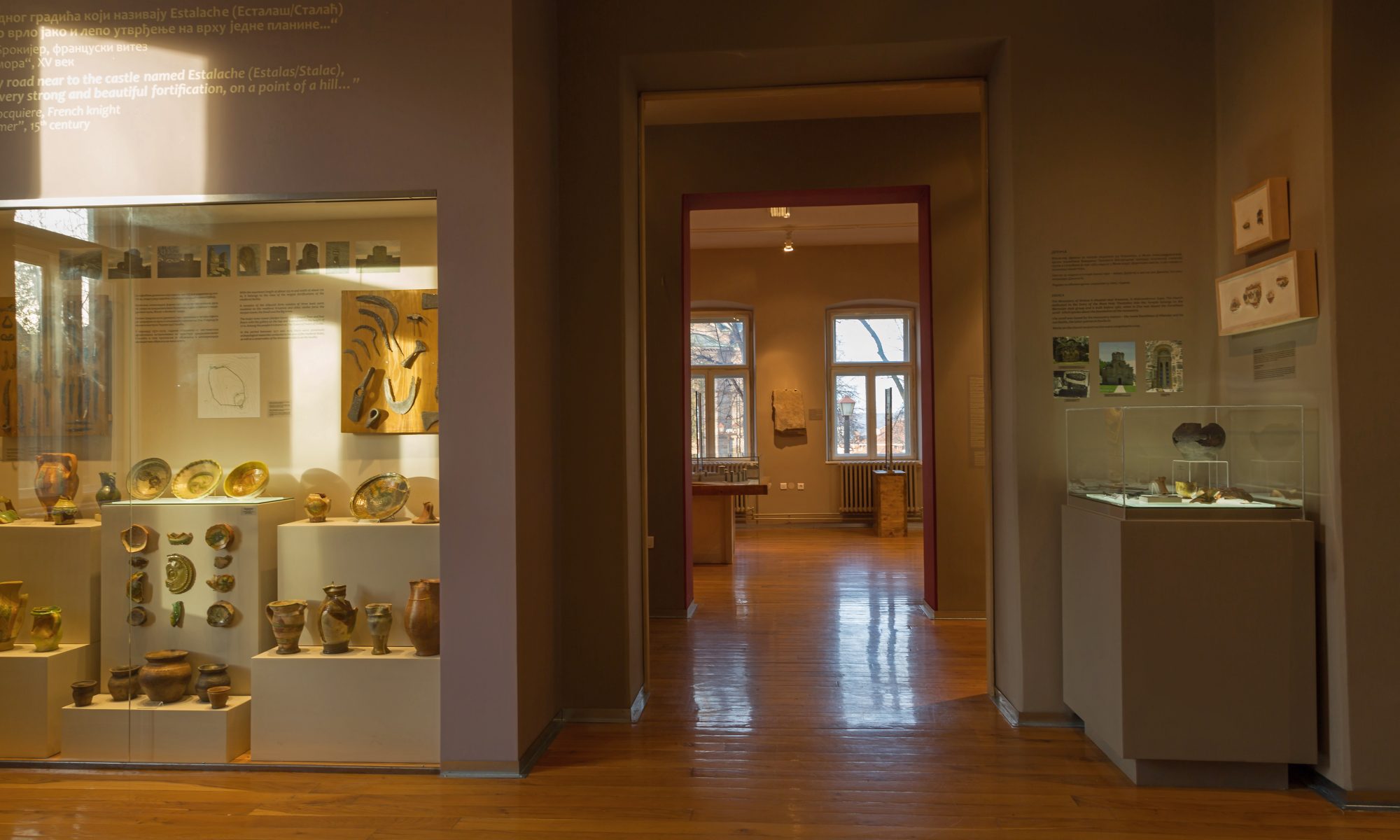
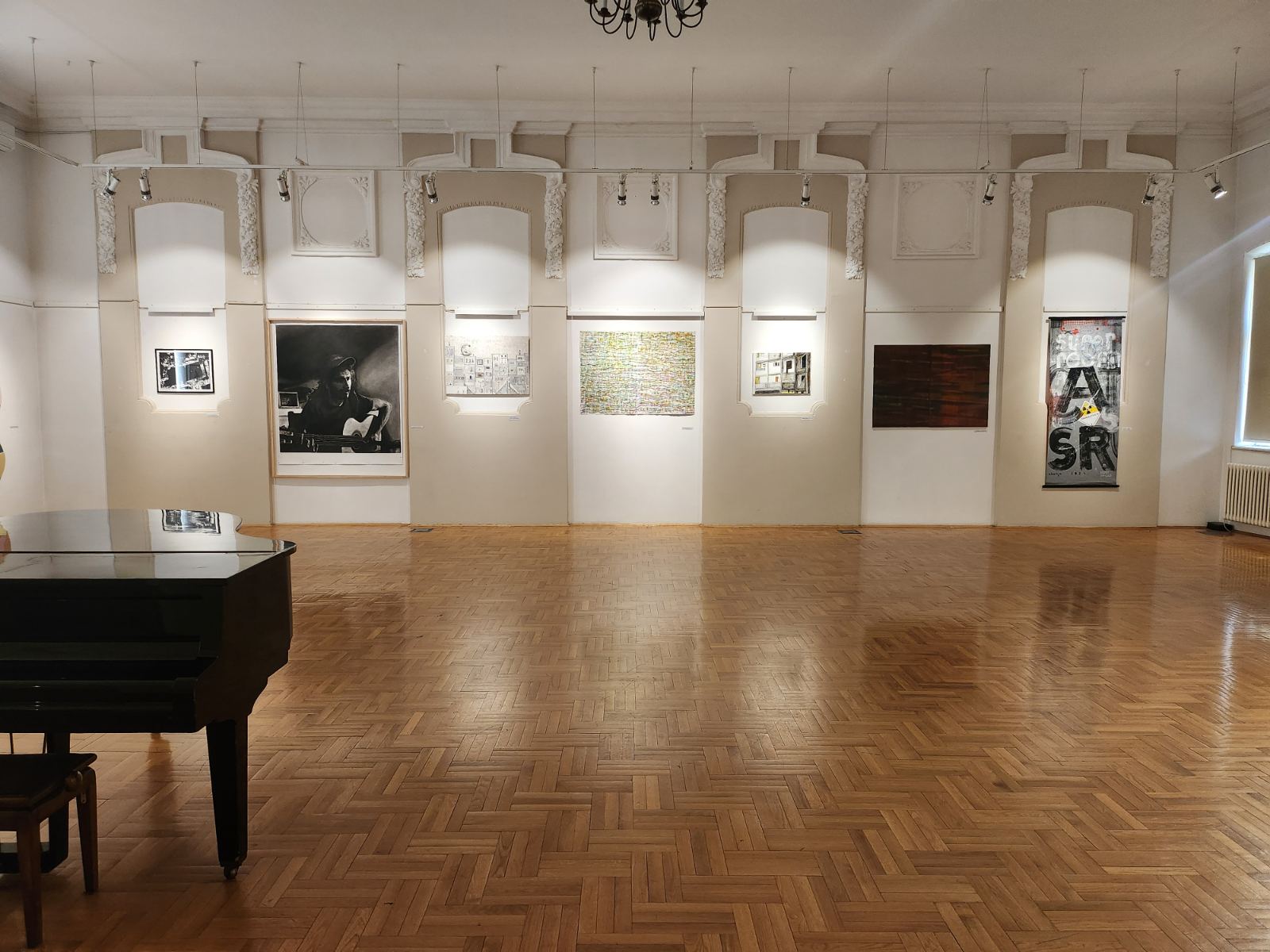
In addition to its central building within the medieval Kruševac City, the National Museum also includes Simić’s House, the Art Gallery, and the Slobodište Memorial Complex. The museum’s exhibitions are designed to showcase the cultural and historical development of the Kruševac region through different historical periods. Among its exhibits, it features three Morava towns as thematic units: Kruševac, Stalać, and Koznik, with particular emphasis on Kruševac and the period of Prince Lazar’s rule.
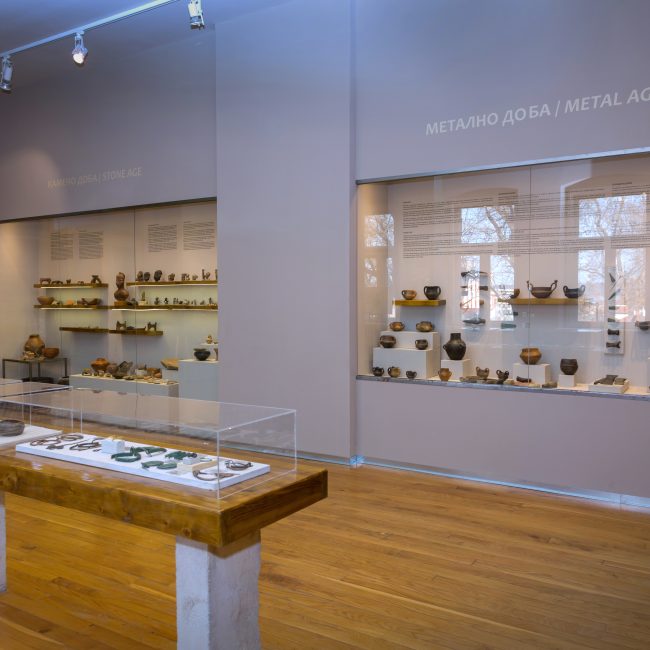
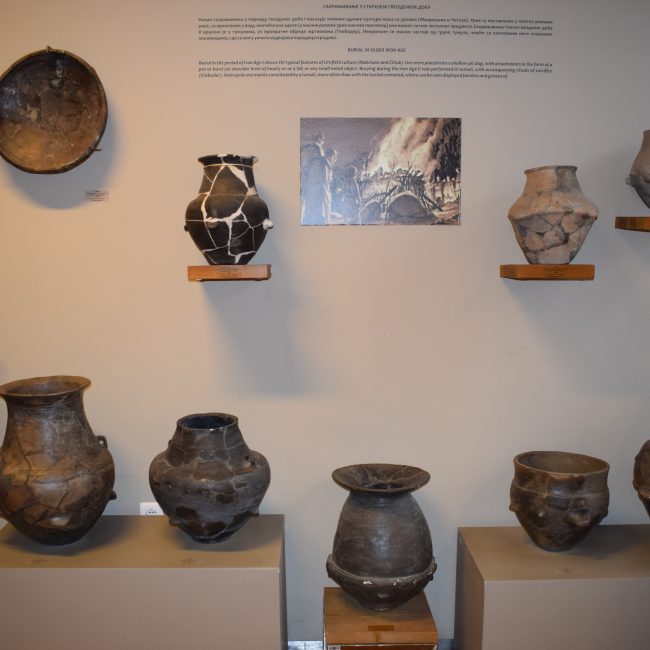
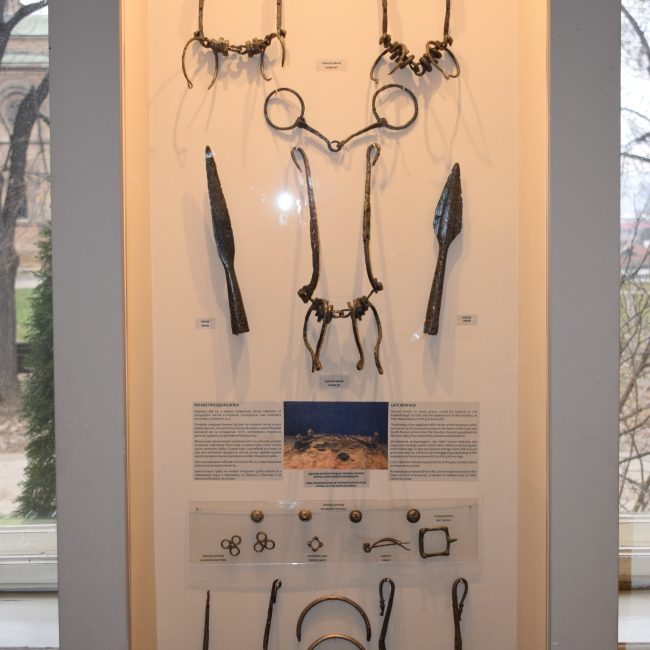
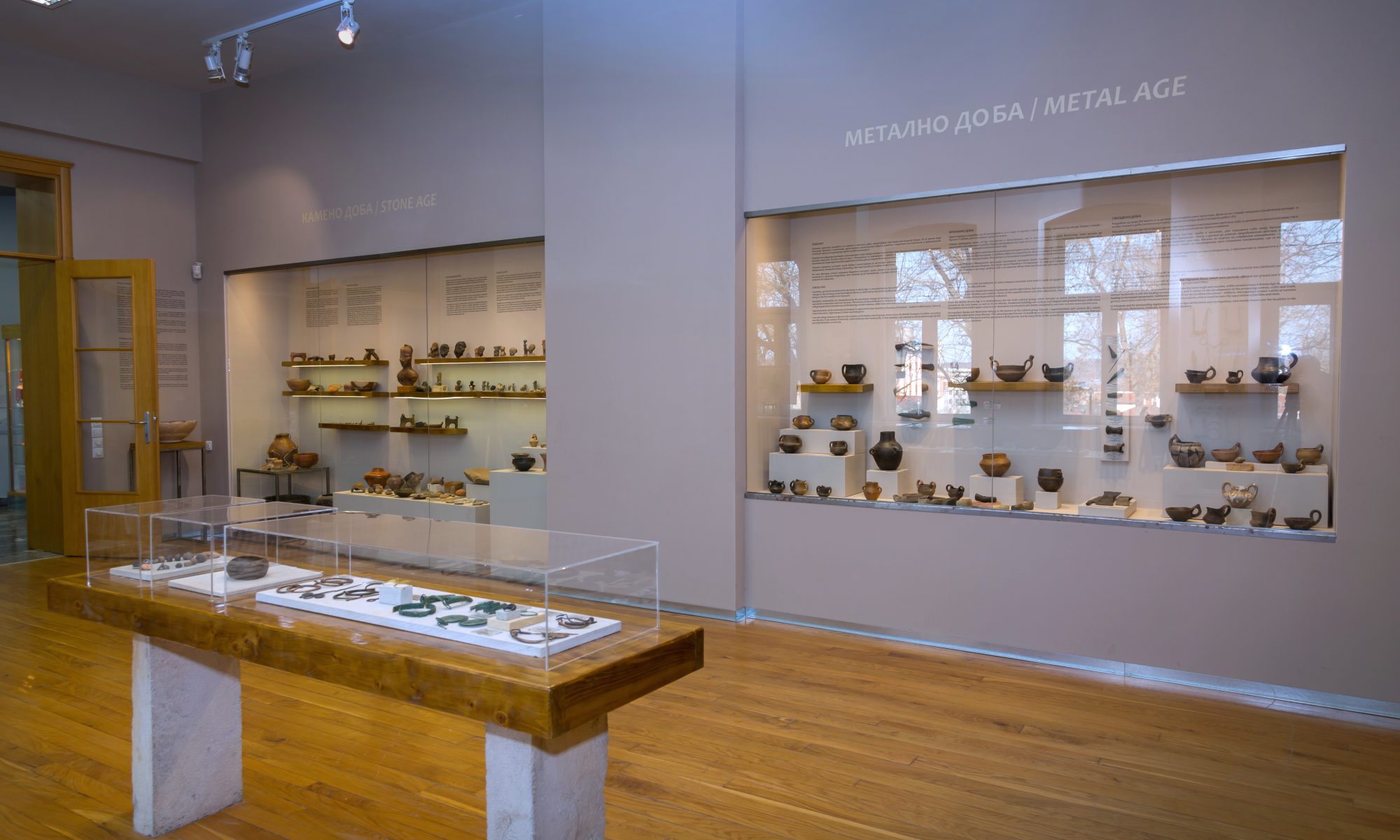
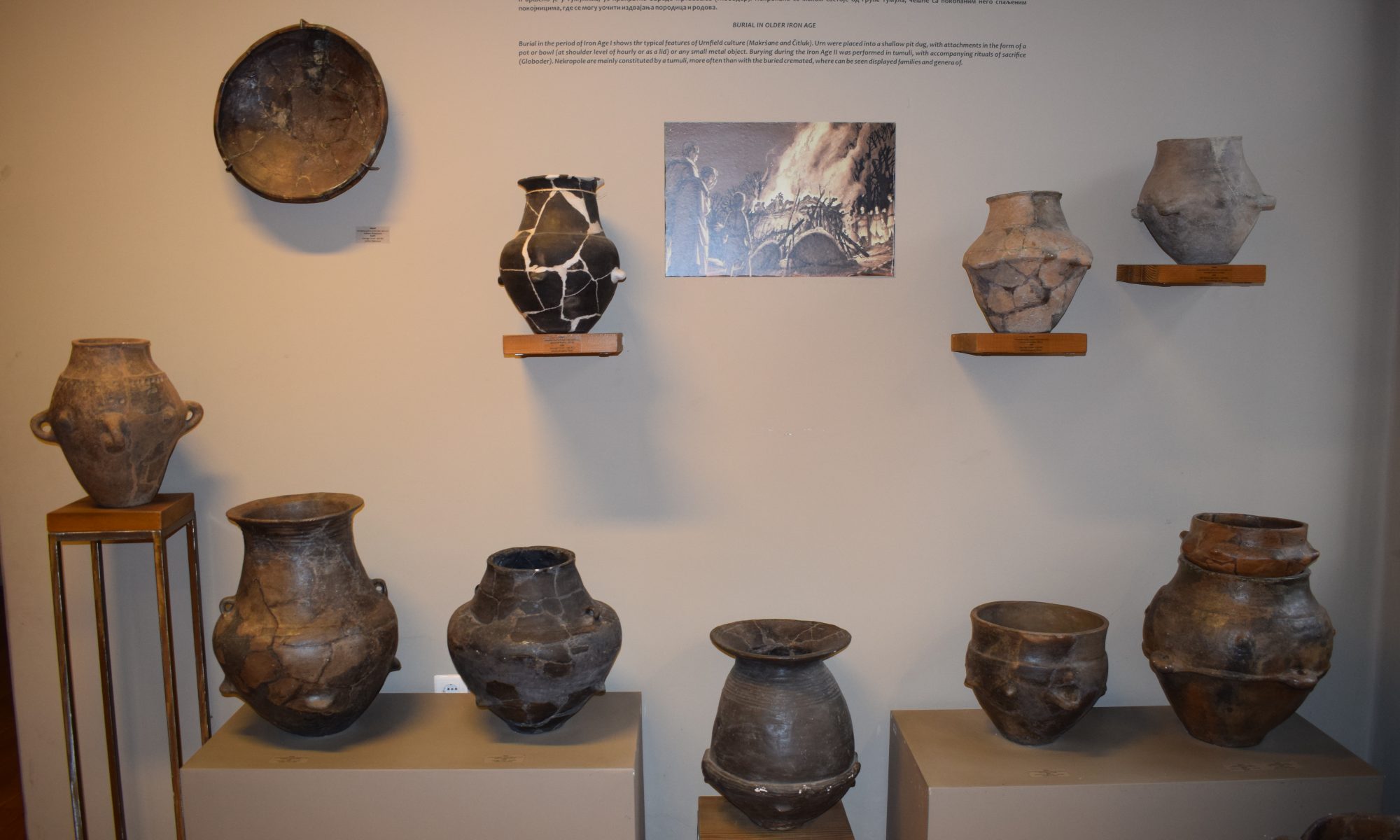
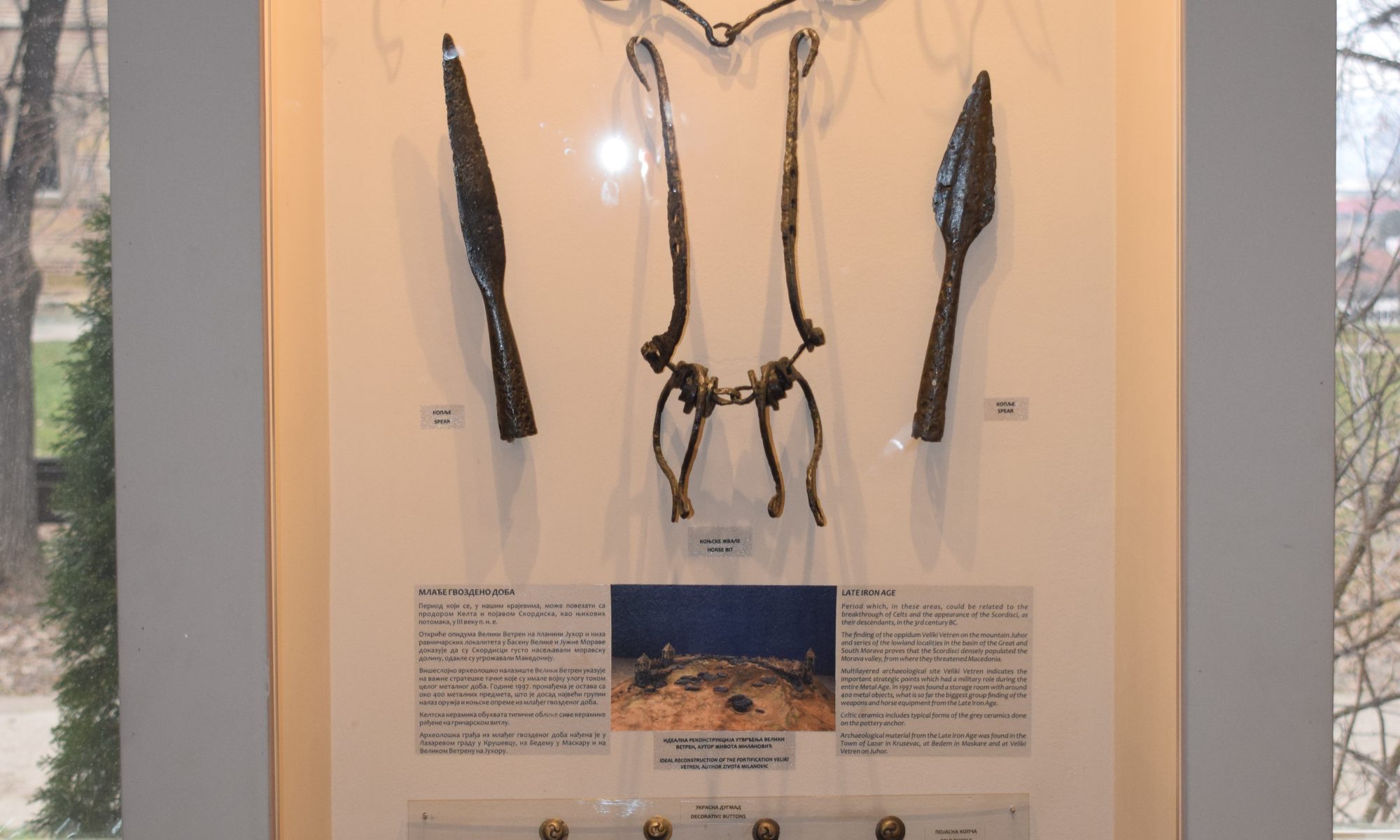
The museum’s archaeological collection was developed through archaeological research, donations, and acquisitions. The prehistoric section contains artifacts ranging from the Neolithic to the Iron Age, from the late 7th millennium BCE to the Roman conquests in this area. The antiquities collection focuses on the Roman era and includes items such as votive monuments, bronze figurines, stone reliefs, jewelry, and weapons. The medieval collection originated from the first systematic archaeological excavations of medieval Kruševac in 1961, conducted by the Republic Institute for the Protection of Cultural Monuments and the Institute of Archaeology in Belgrade. Significant findings also include discoveries from the Konopljare site near Čitluk and the Bedem site near the village of Maskare.
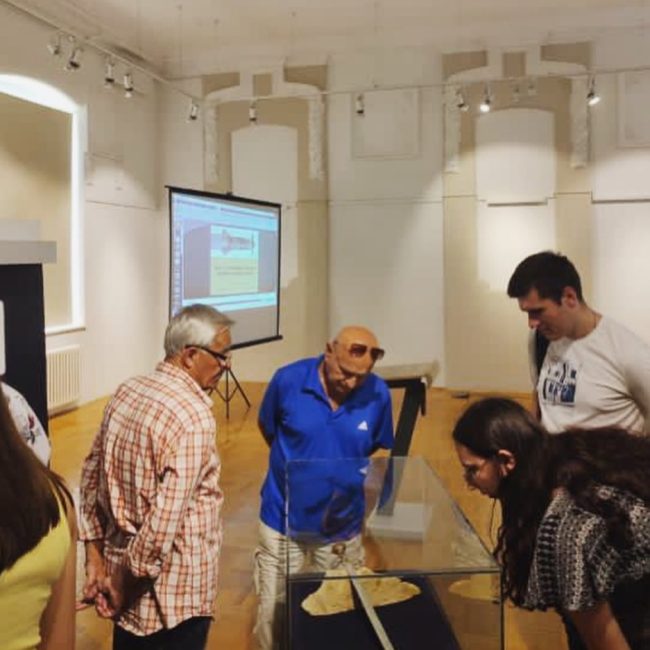
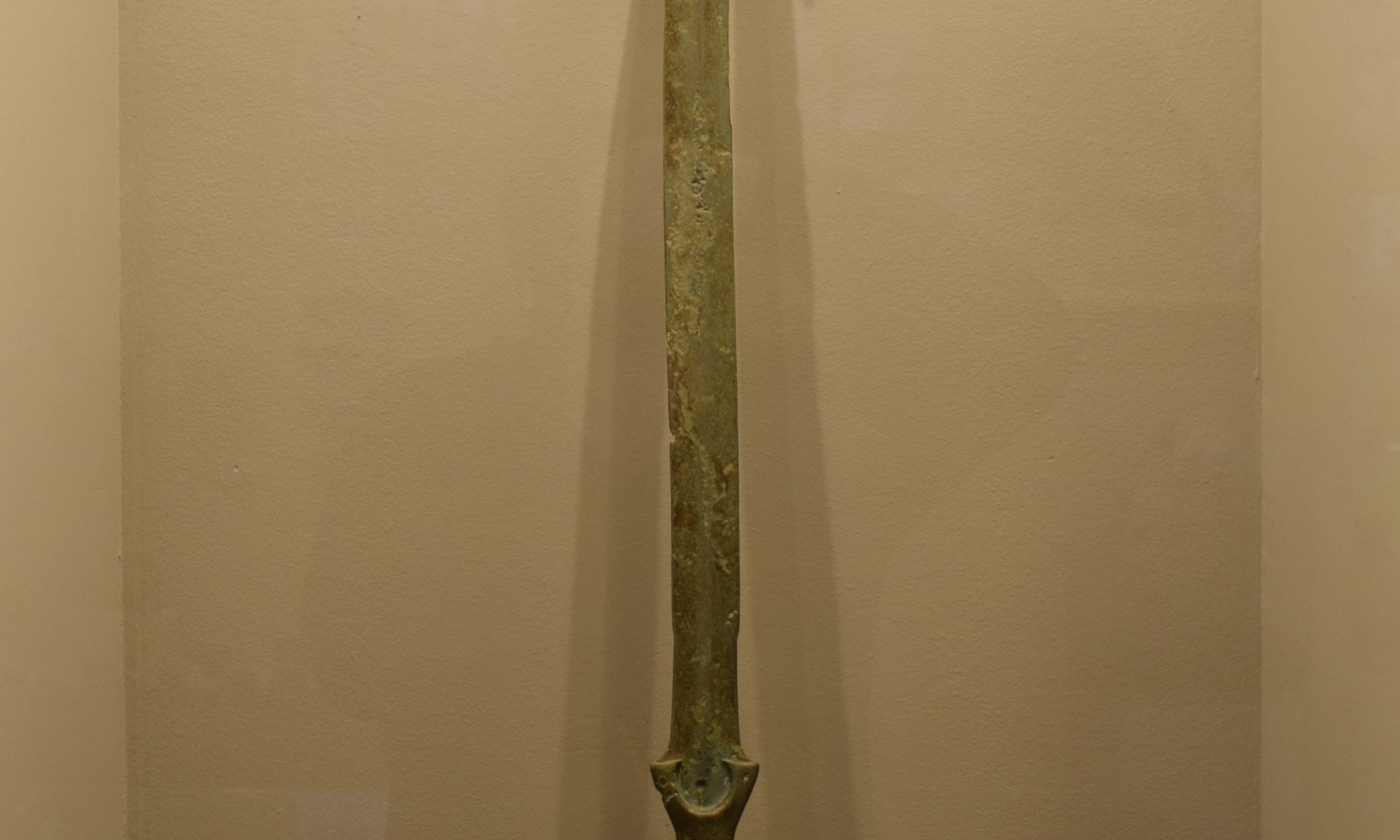
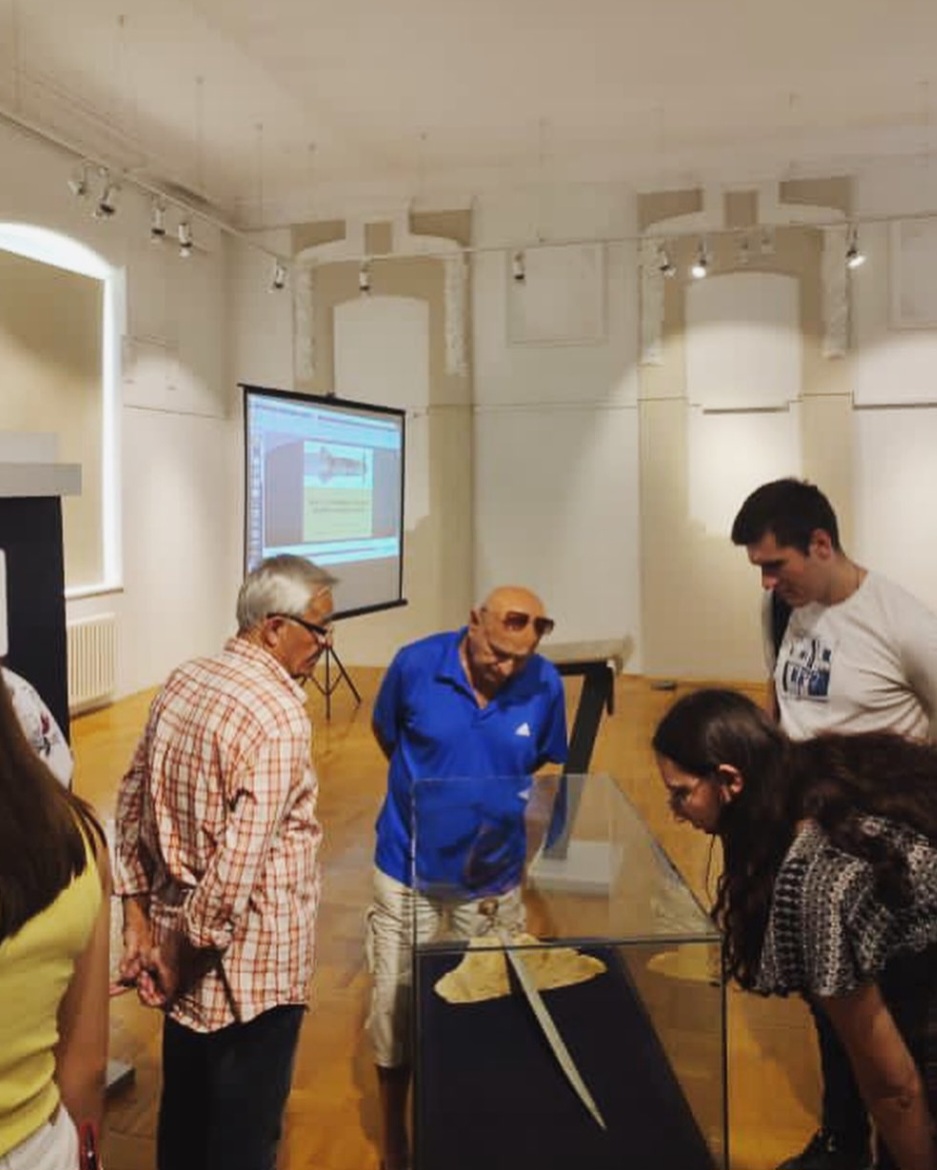
In June 2023, the museum presented a new discovery to the public, a bronze sword found in the bed of the West Morava River along the Morava Corridor near the village of Koševi, and introduced audiences to its characteristics. This significant institution of the Kruševac region has a long-standing tradition of public engagement through exhibitions, catalogs, professional publications, media appearances, and collaborations with other institutions. The mission of the National Museum of Kruševac is to popularize cultural heritage and highlight its importance through various events, making it a key starting point for exploring the rich history of this region.