National Museum of Pančevo
The National Museum of Pančevo was founded through the dedication of Dr. Borislav Jankulov on December 23, 1923, making it one of the oldest museum institutions in the region. The museum includes departments for archaeology, history, ethnology, art history, as well as a documentation center, library, and conservation department.
The museum originated from the purchase of archaeological artifacts collected by amateur archaeologists, collectors, and other enthusiasts of the past, who owned private collections at the end of the 19th and beginning of the 20th century. At the time of its founding, the archaeological collection contained around 2,000 objects, and over the years, as archaeological excavations began, this number steadily increased. Among the archaeological sites explored, the settlement of Grad in Starčevo holds a special place, as it was excavated during a campaign from 1931 to 1932, giving its name to the well-known Starčevo culture.
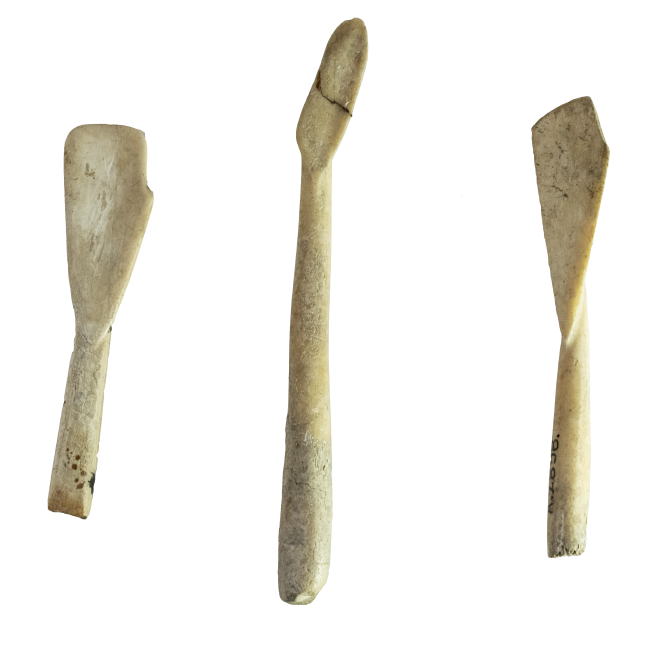
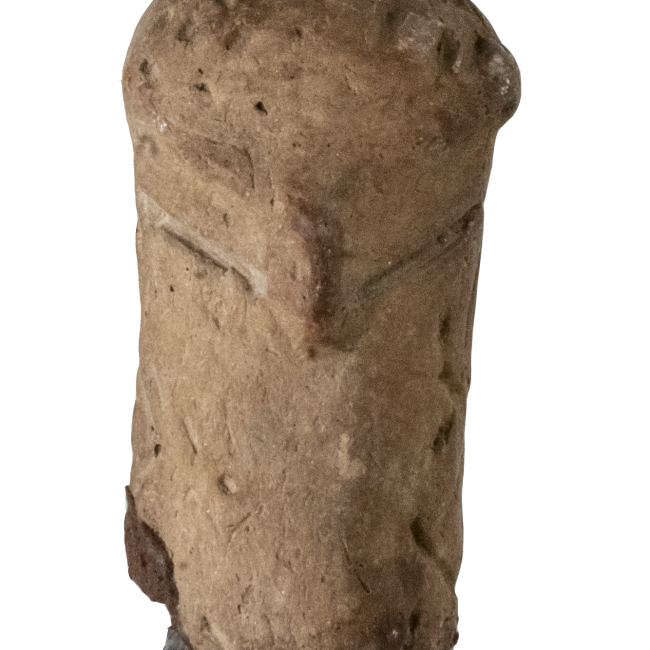
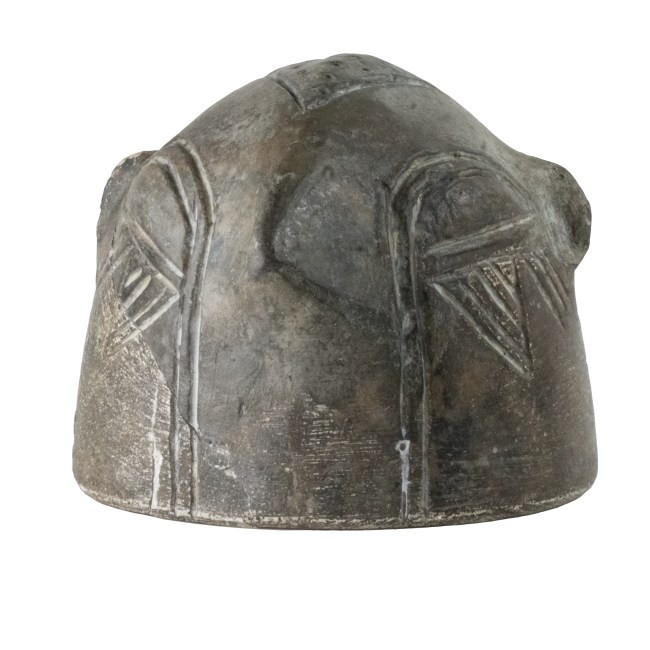
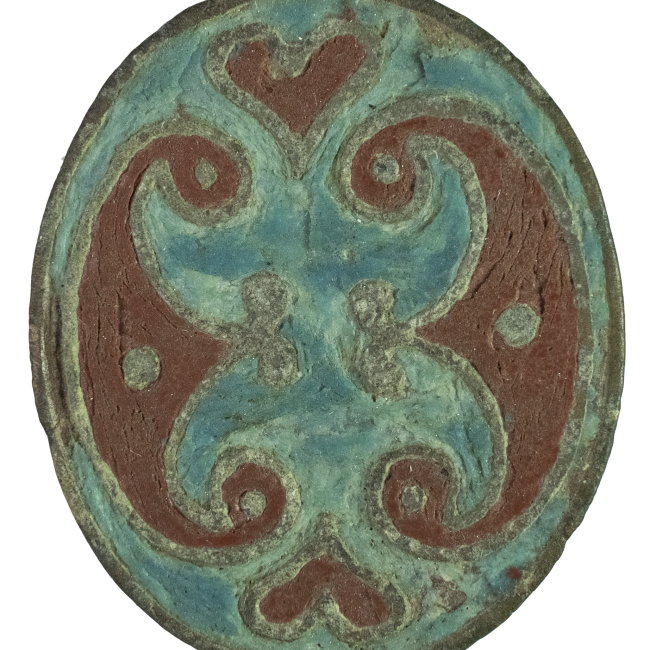
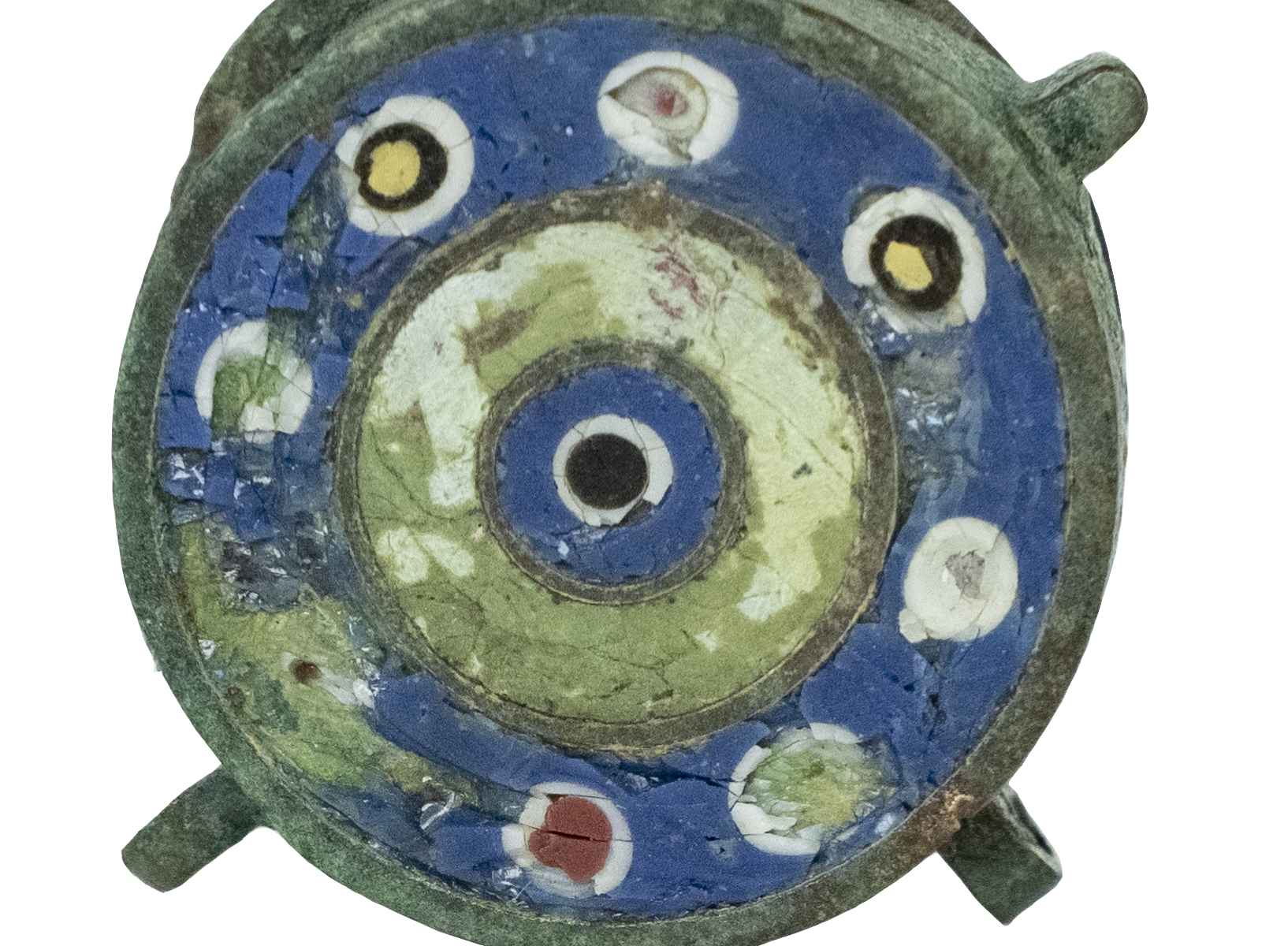
From its founding until today, the archaeological collection has grown to around 8,000 registered exhibits and approximately 10,000 artifacts. The chronological span of the collection ranges from the Neolithic to the Middle Ages, with notable finds including clay altars from the Starčevo and Vinča cultures, a Baden culture cup from the Copper Age, discoveries from the Bronze Age site at Donjovaroška brickyard, and hoards of bronze jewelry from Gaj and Pančevo. The collection also features ceramic urns from Iron Age necropolises, artifacts from various ancient settlements, and lavishly crafted elements of Avar belt fittings from the medieval site at Gornjovaroška brickyard.
The museum covers the territory of Pančevo, Opovo, Kovačica, and Kovin for scientific research purposes, while it also holds territorial jurisdiction over Alibunar, Bela Crkva, and the city of Vršac. In addition to its work in archaeological research and site preservation, the museum is actively engaged in publishing its findings in academic journals and producing specialized catalogs accompanying thematic exhibitions on the history of southern Banat. Special emphasis is placed on educating young people, aiming to broaden their knowledge and spark curiosity through visits to the museum and its permanent exhibition.