The Institute of Archaeology
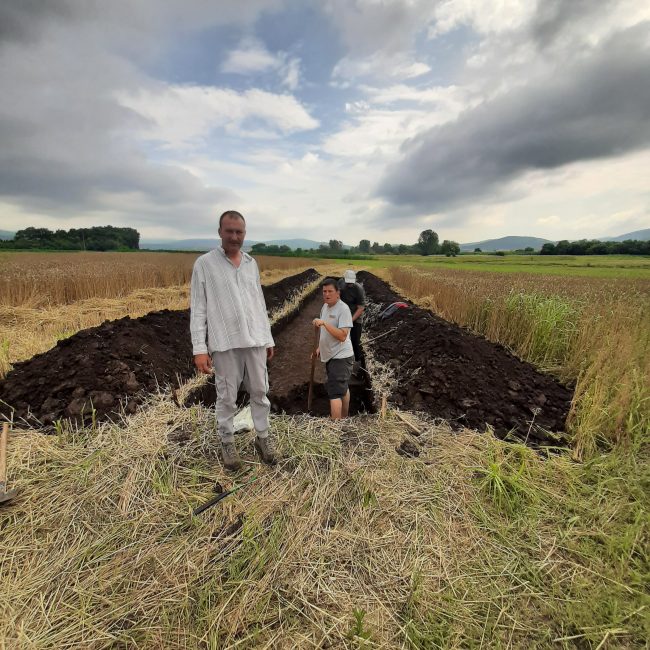
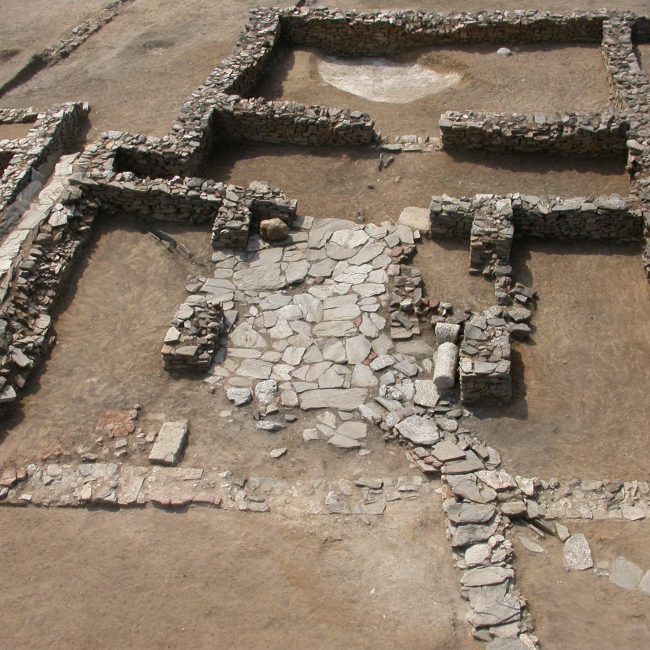
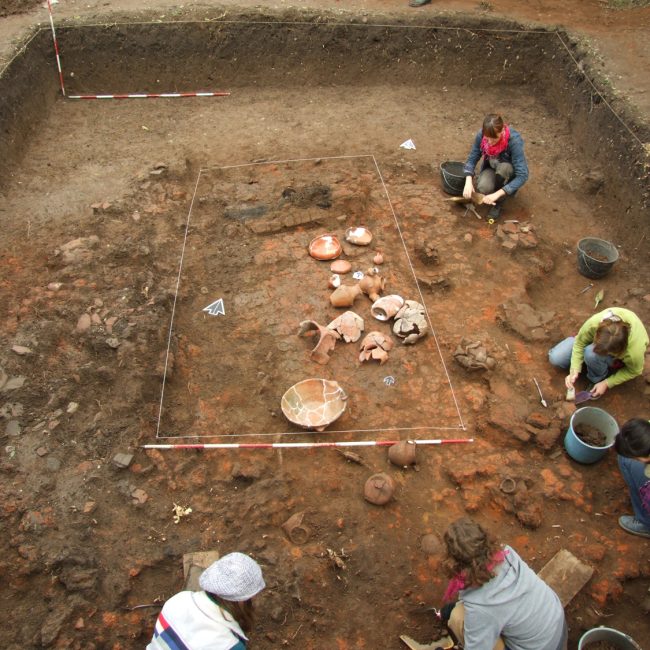
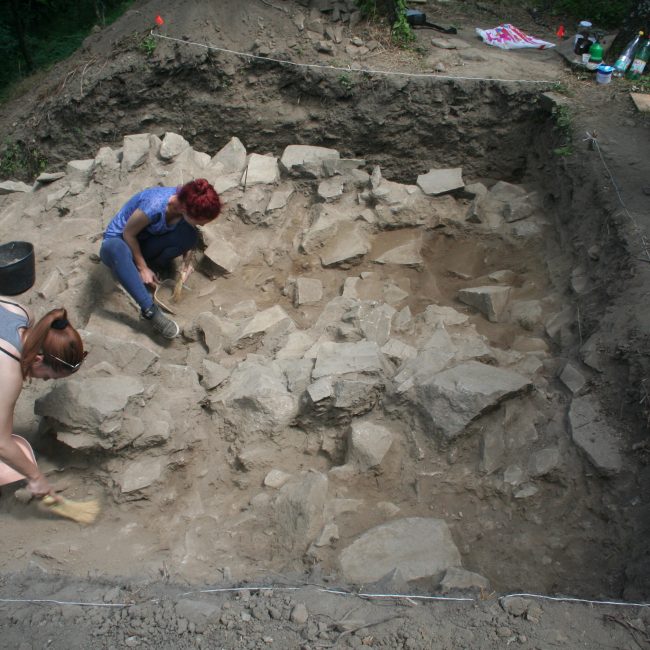
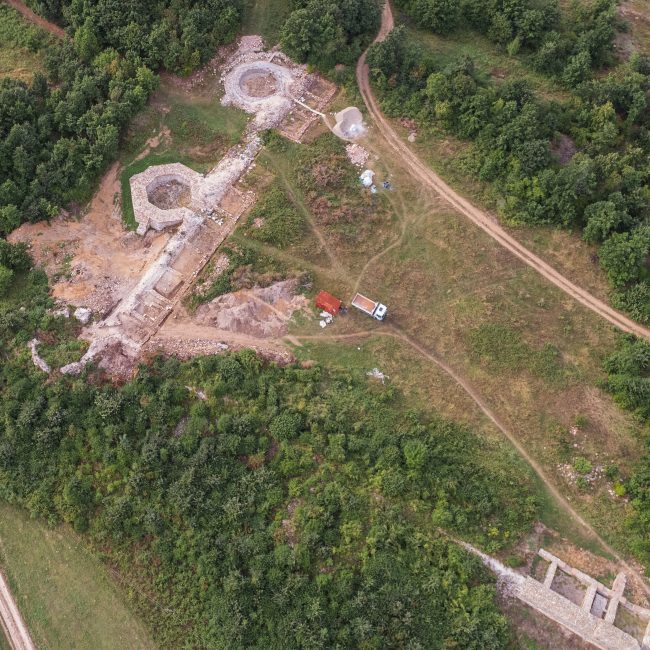
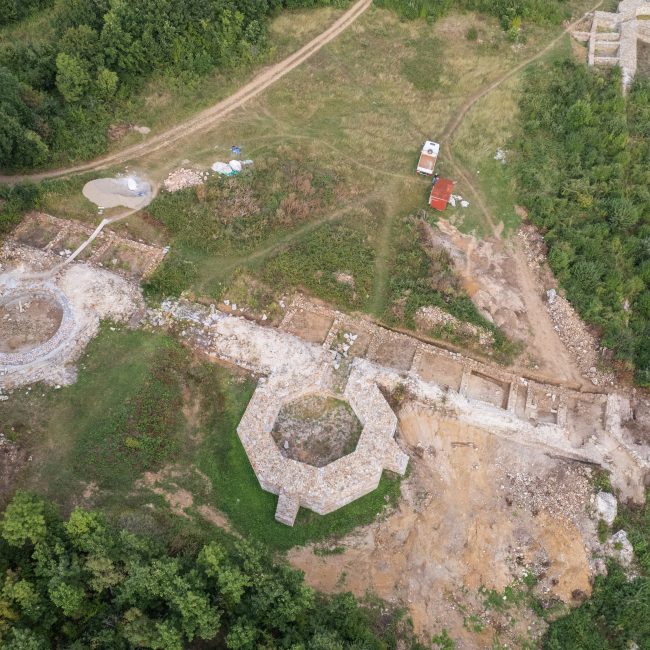
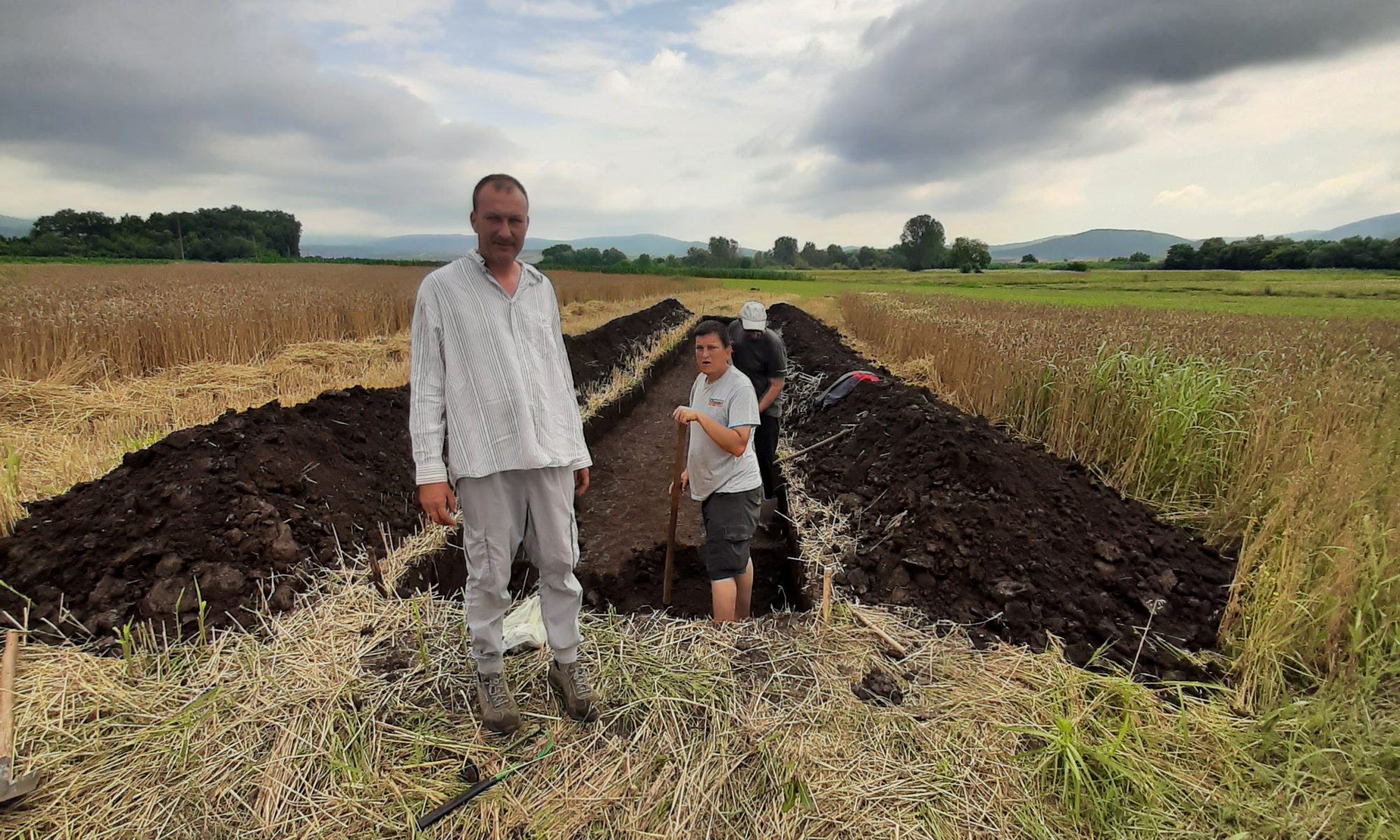
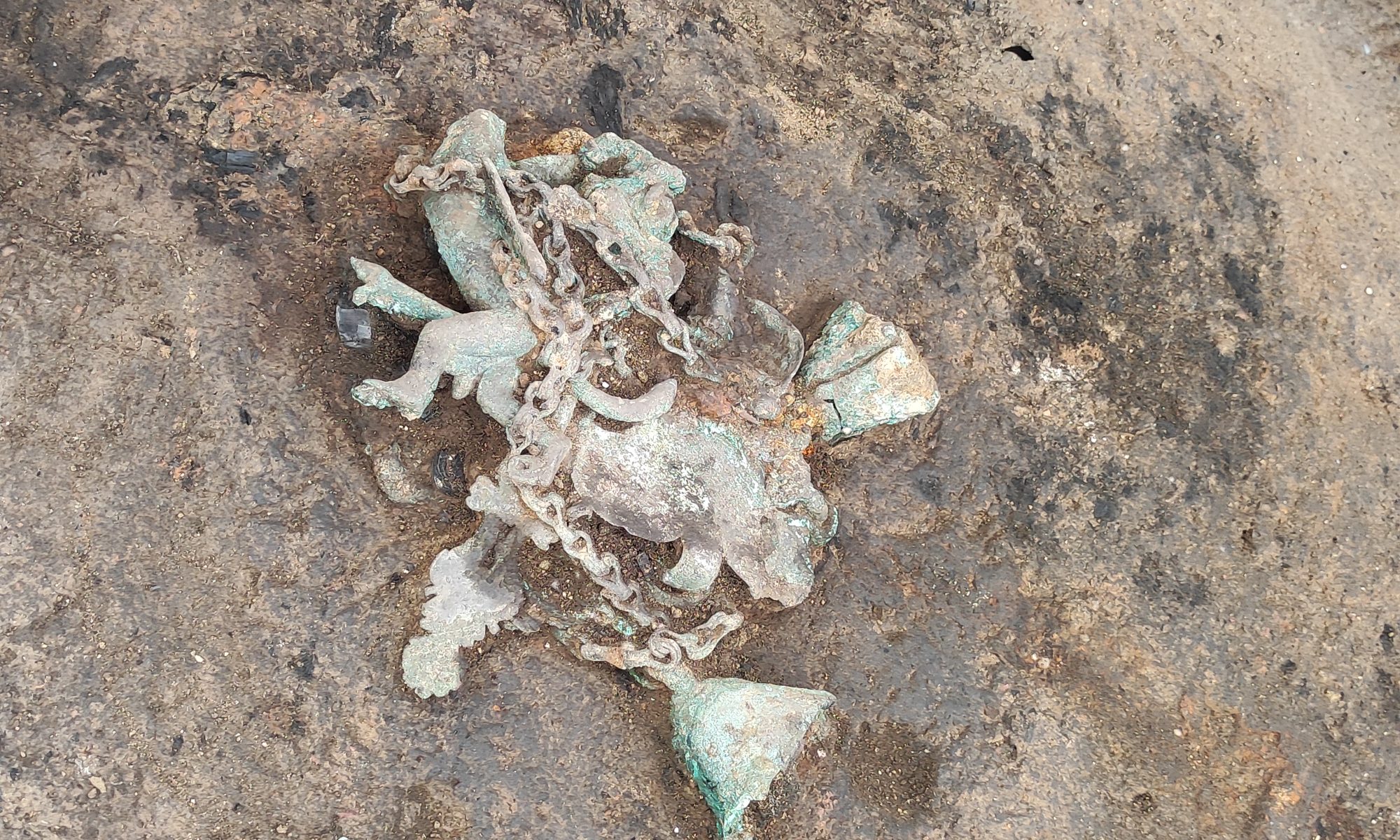
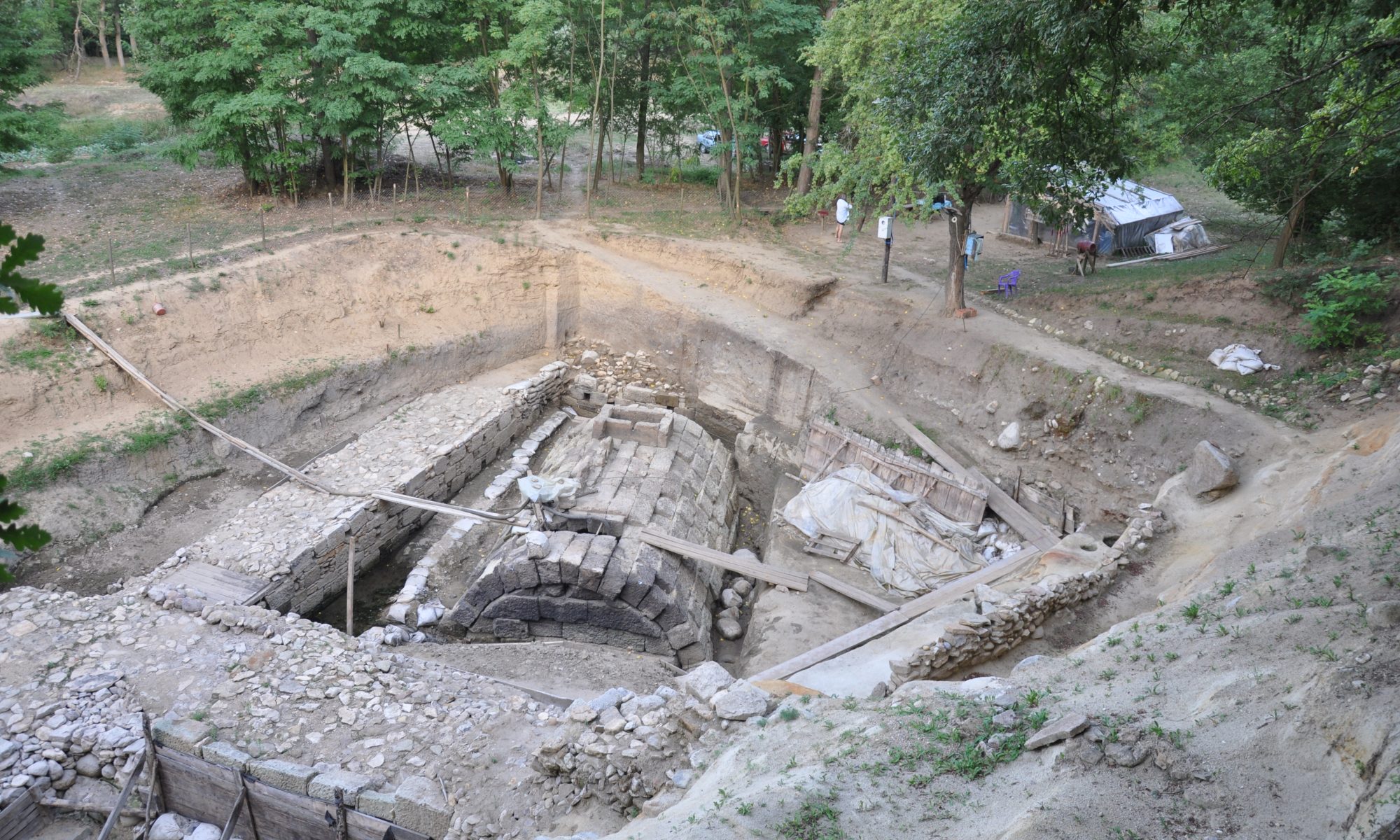
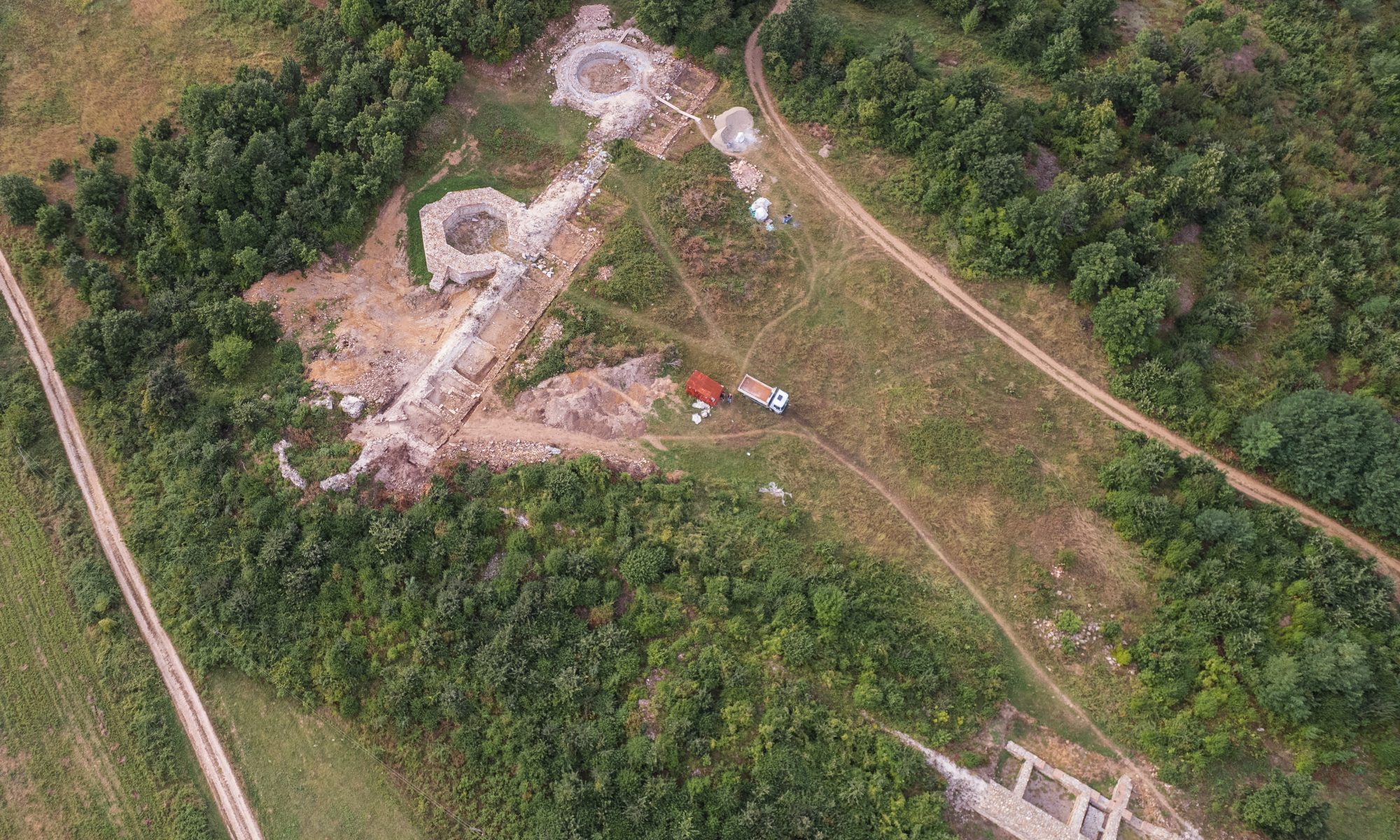
The Institute of Archaeology was founded on May 31, 1947, in Belgrade and has been an independent scientific institution since 1961. The Institute’s work involves reconnaissance and research of archaeological sites to protect localities and address numerous research questions, both through domestic projects and international collaborations. Through its research, the Institute covers the period from antiquity to the Middle Ages, from the formation of the first social communities to the consolidation of Slavic, particularly Serbian, culture in the Balkans.
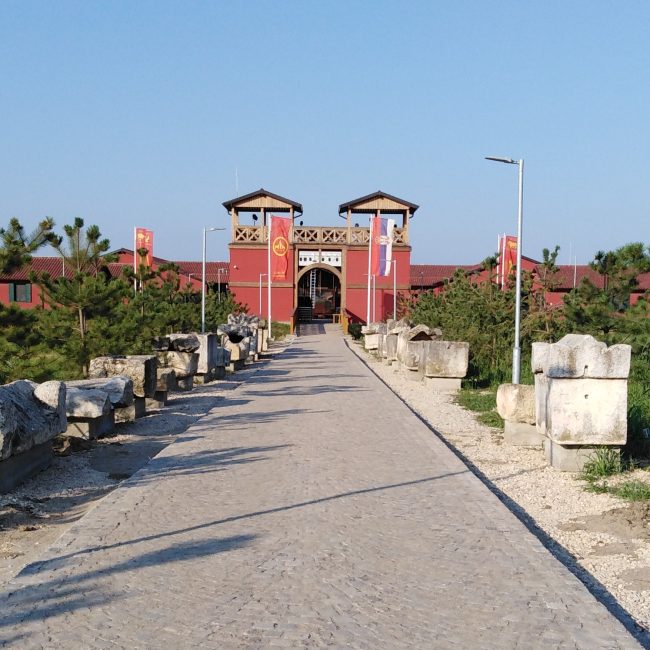
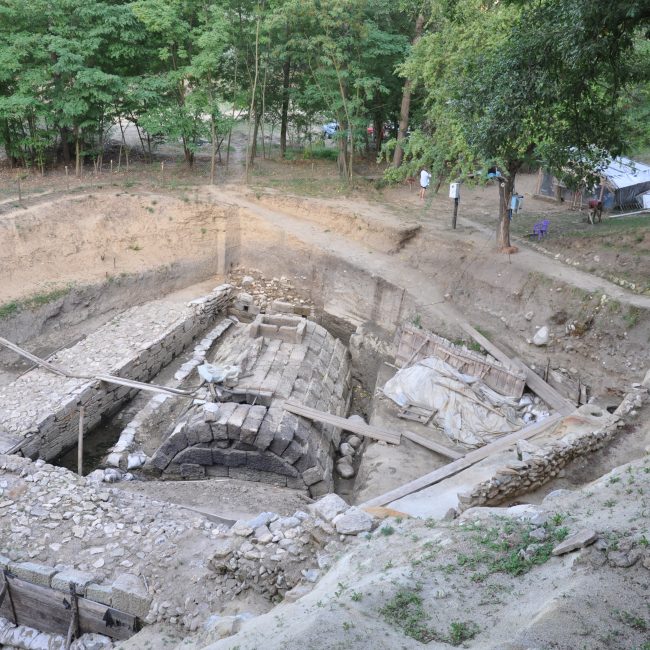
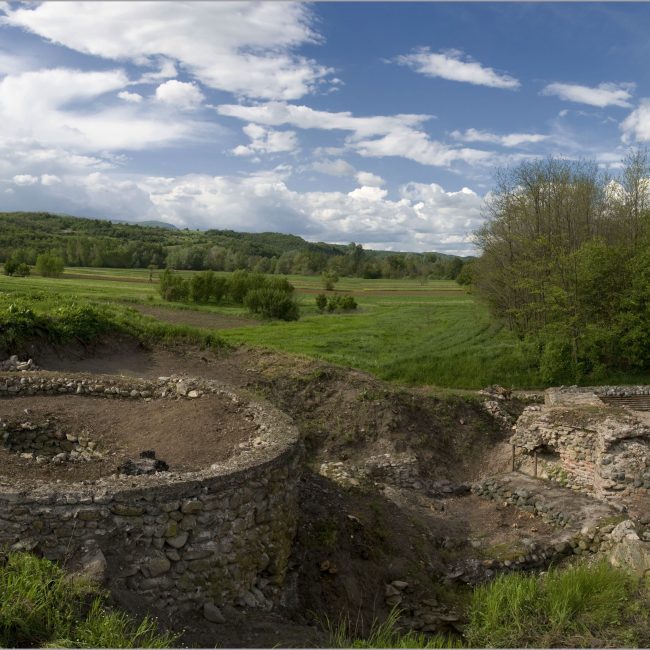
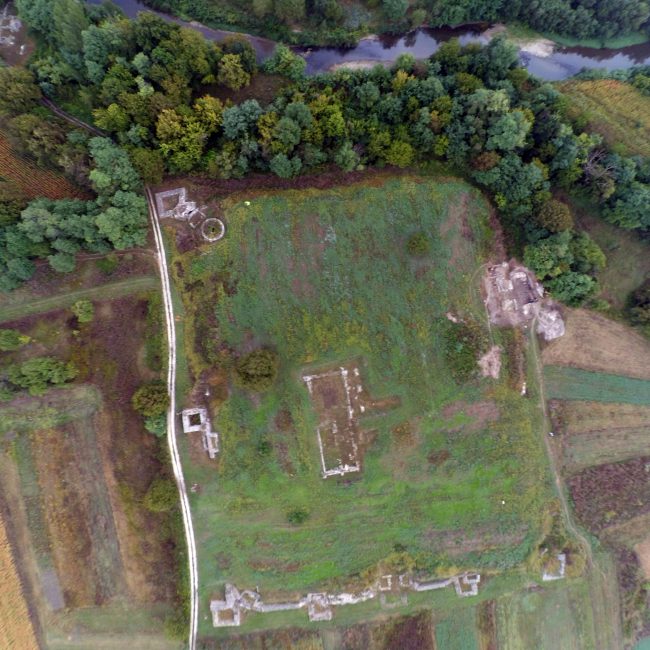
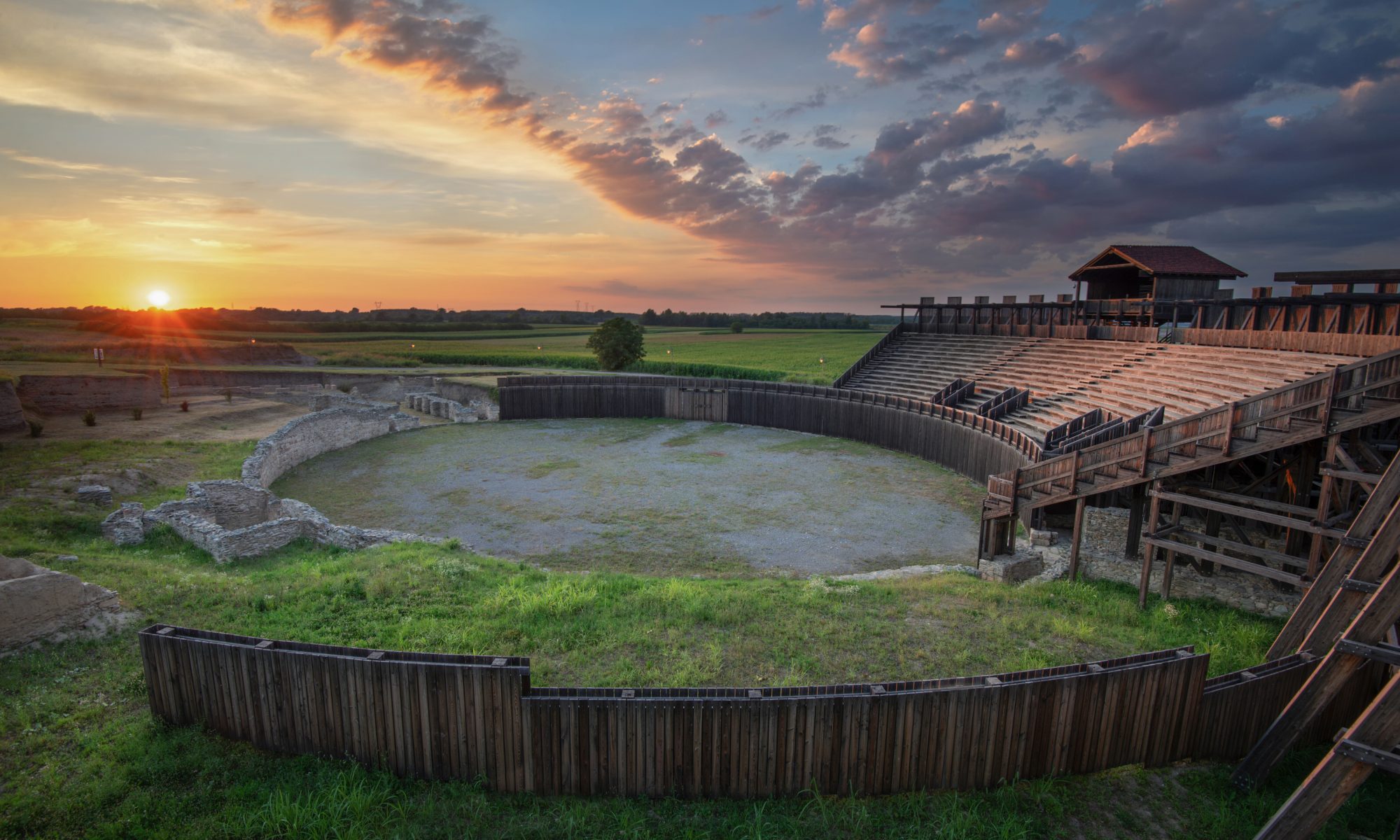
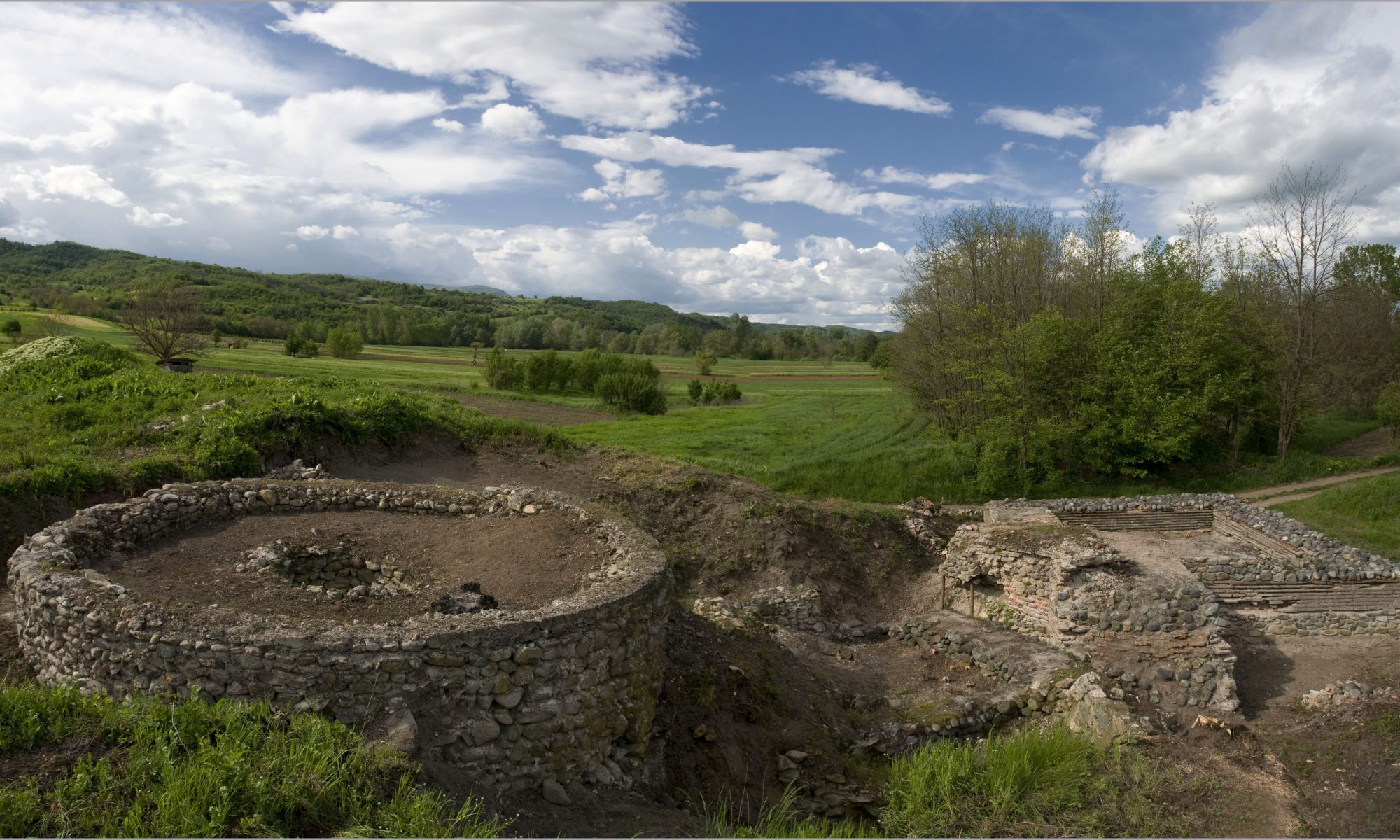
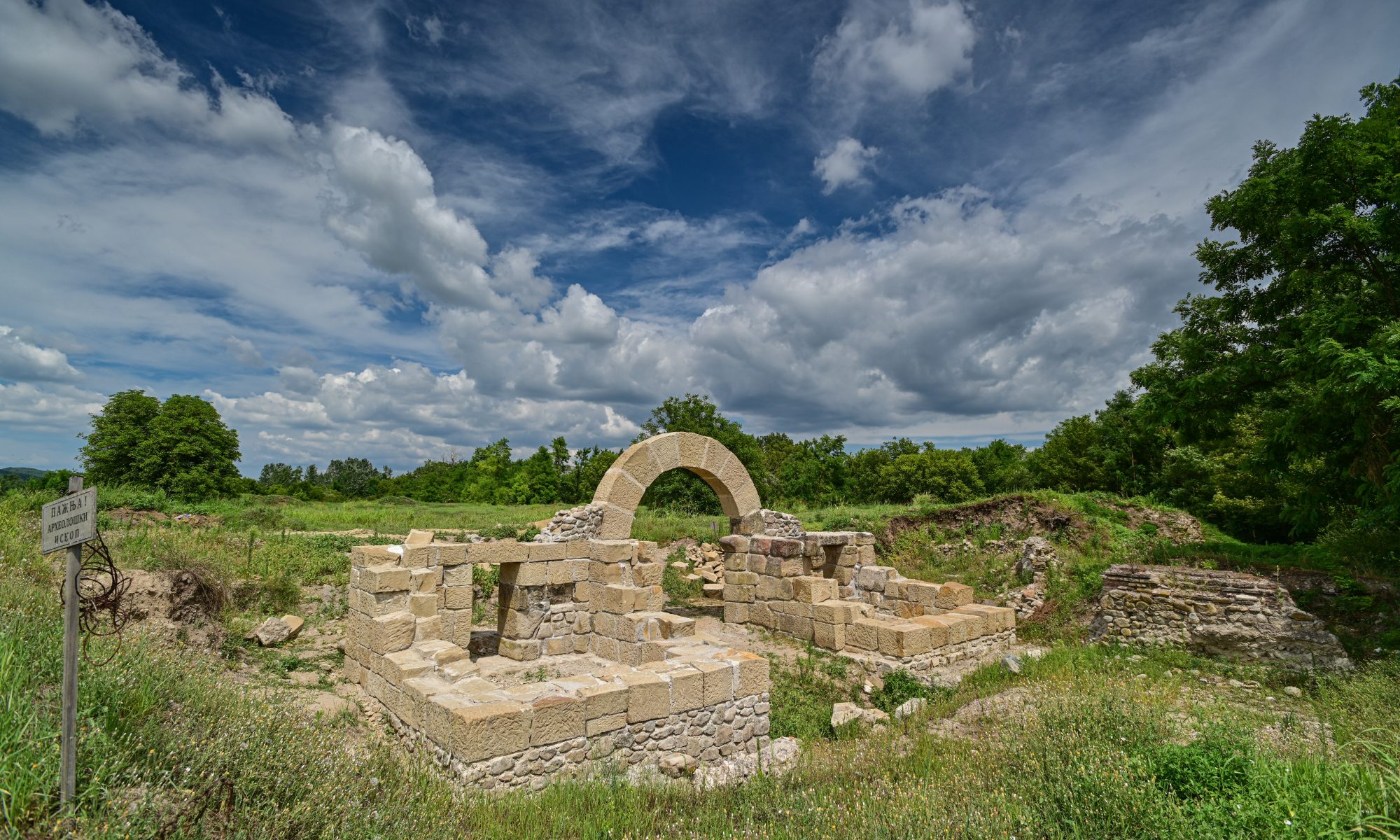
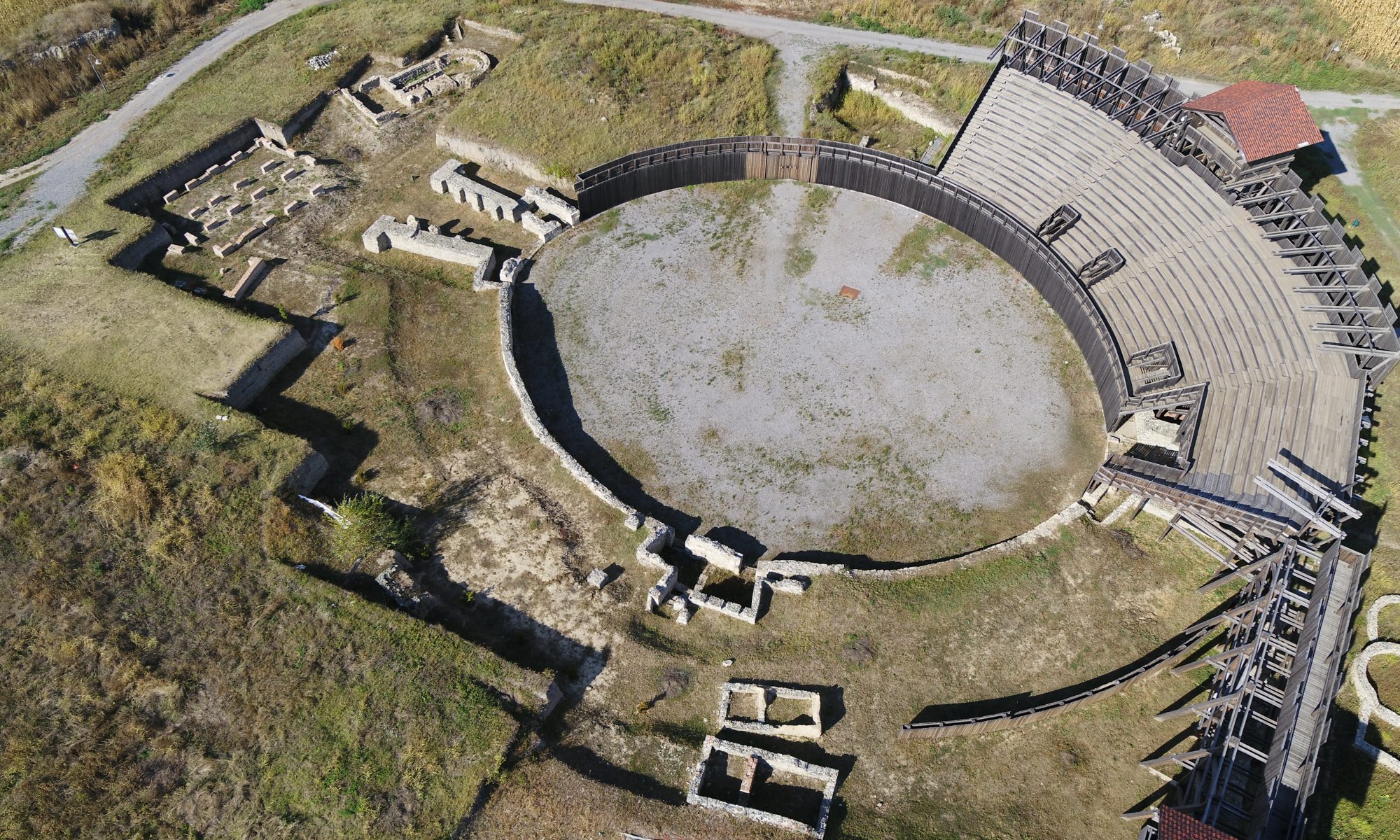
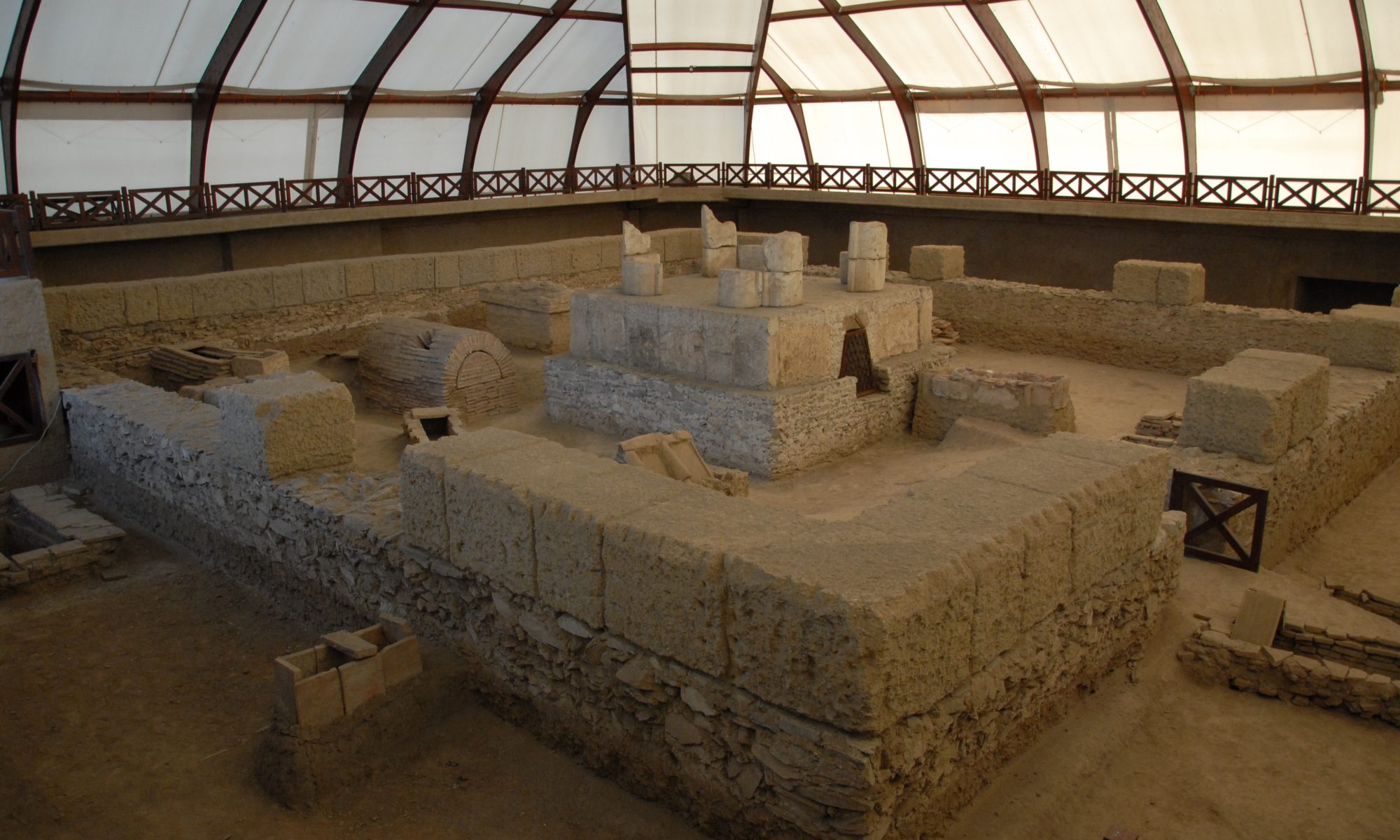
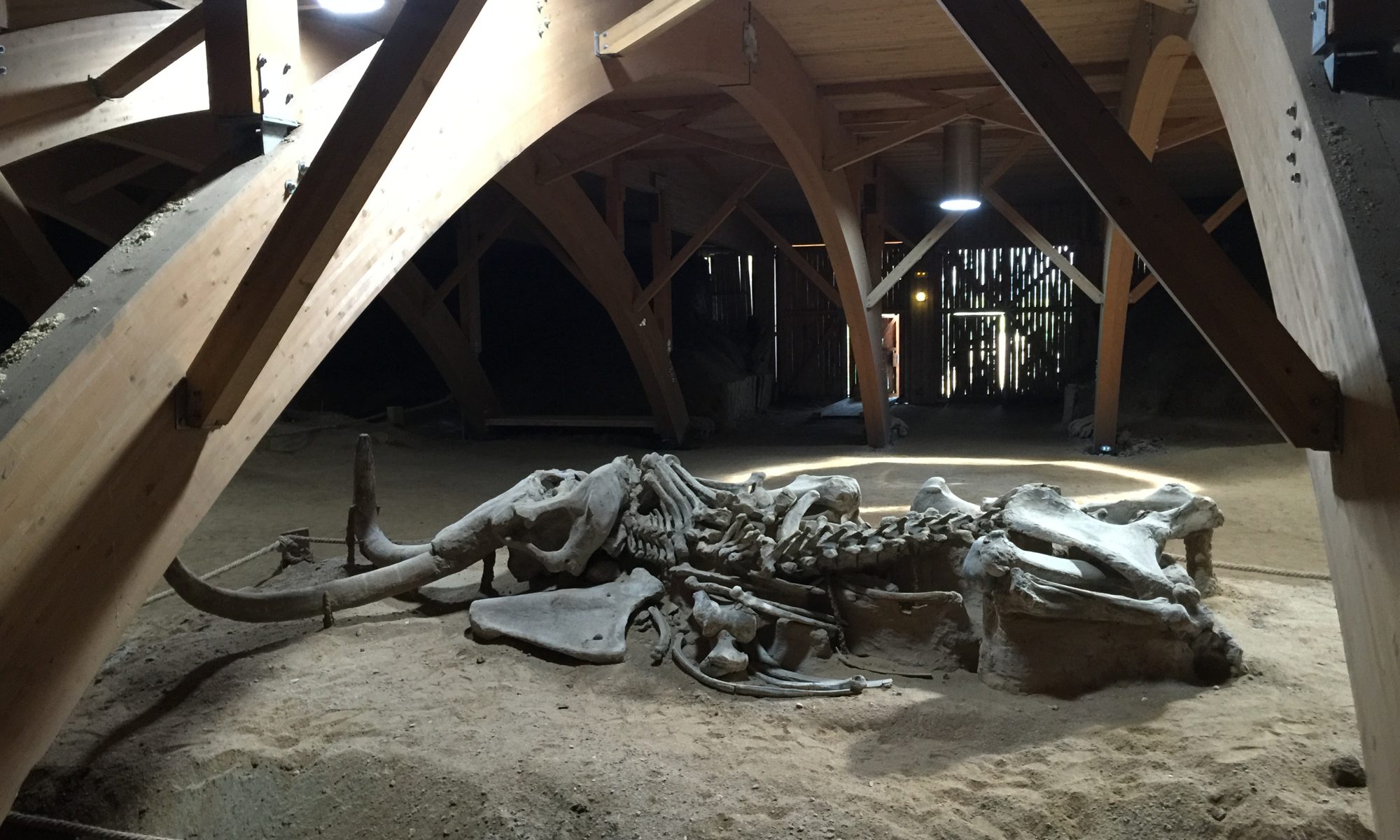
Some of the Institute’s most significant undertakings include organizing archaeological excavations for the Đerdap 1 (1964–1971) and Đerdap 2 (1980–1984) hydroelectric plants, as well as conducting diverse archaeological research on some of the most important sites, such as Sirmium, Viminacium, and the Belgrade Fortress.
Researchers at the Archaeological Institute regularly publish their findings through lectures, reports, and domestic and international publications. Notably, Starinar, a journal published under the auspices of the Institute since 1950, has released over 70 issues to date. In addition to its continuous efforts to advance archaeology in the region and beyond, the Institute is also distinguished by its library. The library had modest beginnings with only 174 inventory numbers in 1949, but today it holds up to 45,000 inventory units, making it one of the most significant archaeological libraries in Serbia.
Last year, the Archaeological Institute hosted the 18th International Congress of Christian Archaeology and an international colloquium on Roman provincial art, with over 200 experts from various disciplines.